Peptide Stacking Guide 2026: Best Combinations by Goal
Infographic overview of Peptide Stacking Guide 2026: Best Combinations by Goal
Infographic pending generation
Introduction#
Peptide stacking -- combining two or more peptides in a single protocol -- is the most discussed topic in the peptide research community. The premise is simple: peptides that work through different biological pathways may produce additive or synergistic effects when used together.
But not all stacks are created equal. Some combinations have clinical evidence supporting their synergy. Others rely on sound pharmacological reasoning but lack direct combination studies. And some popular stacks are based more on community enthusiasm than on science.
This guide organizes peptide stacks by goal -- the approach that matters most for practical decision-making. For each stack, we provide the mechanism of synergy, evidence level, timing guidance, known interactions, and safety considerations. Use the Stack Compatibility Checker to evaluate any combination, and see Can You Take Multiple Peptides Together? for foundational guidance on combining peptides safely.
Rules of Peptide Stacking#
Before evaluating specific stacks, these principles apply to every combination protocol.
1. Start One Peptide at a Time#
This is the most important rule. Add peptides sequentially with at least 1-2 weeks between additions. Starting multiple new peptides simultaneously makes it impossible to attribute effects -- positive or negative -- to any specific compound. If a side effect appears, you need to know which peptide caused it.
2. Begin With Lower Doses#
When combining peptides with overlapping or synergistic effects, the combined response may exceed what either produces alone. Start at the lower end of each peptide's dosing range and titrate upward based on response. This is particularly important for GH secretagogue stacks where synergistic GH release can produce side effects like water retention or joint pain at doses that would be well-tolerated individually.
3. Combine Complementary Pathways, Not Overlapping Ones#
True synergy comes from activating different steps in a biological process, not from doubling down on the same receptor. Two GLP-1 agonists together is dangerous, not synergistic. A GHRH analog plus a GHRP is synergistic because they converge on GH release through independent signaling cascades.
4. Never Mix Peptides in the Same Syringe#
Unless specifically designed to be co-formulated (like CagriSema), peptides should be reconstituted and injected separately. Peptides can interact chemically in solution -- binding to each other, altering pH, or accelerating degradation.
5. Limit Stack Complexity#
More peptides does not mean better results. Each addition increases cost, injection burden, and the potential for unpredictable interactions. Most experienced practitioners recommend limiting stacks to 2-3 peptides targeting complementary goals. Protocols with 5+ peptides simultaneously have no safety data and introduce unnecessary complexity.
6. Keep a Response Log#
Document when each peptide was started, dosing changes, subjective responses, and any side effects. This is essential for optimizing a multi-peptide protocol and for identifying which components are producing benefit versus which may be unnecessary.
Fat Loss Stacks#
AOD-9604 + CJC-1295/Ipamorelin#
Evidence Level: Preclinical for AOD-9604 combination; clinical for CJC-1295/Ipamorelin synergy
| Component | Mechanism | Role in Stack |
|---|---|---|
| AOD-9604 | HGH fragment (176-191) with tyrosine modification | Direct lipolytic action without affecting IGF-1 or blood glucose |
| CJC-1295 (No DAC) | GHRH analog | Initiates pulsatile GH release via cAMP signaling |
| Ipamorelin | Selective ghrelin mimetic (GHRP) | Amplifies GH pulse through IP3/DAG pathway |
Mechanism of synergy: This stack targets fat loss from two directions. AOD-9604 provides direct lipolytic activity by stimulating lipolysis and inhibiting lipogenesis in adipose tissue -- mechanisms derived from the fat-burning portion of the growth hormone molecule without its growth-promoting effects. CJC-1295/Ipamorelin elevates endogenous GH through the well-documented GHRH + GHRP synergy, and elevated GH itself promotes fatty acid oxidation and mobilization.
Dosing timing: GH secretagogues (CJC-1295 + Ipamorelin) are typically administered on an empty stomach, often before bed or upon waking, to align with natural GH pulsatility. AOD-9604 is commonly taken separately, often in the morning before food, to maximize its lipolytic window.
Interaction warnings: No known negative interactions between these peptides. They operate through independent receptor systems. However, the GH-elevating effects of CJC-1295/Ipamorelin may partially overlap with AOD-9604's mechanism since AOD-9604 is derived from the GH molecule itself. Check the Stack Checker for current interaction data.
Safety considerations: AOD-9604 has preclinical safety data and was granted GRAS status by the FDA for oral use. CJC-1295/Ipamorelin is well-tolerated in clinical studies. Monitor for water retention, which can occur with elevated GH levels.
Tesamorelin + Ipamorelin#
Evidence Level: Clinical (tesamorelin is FDA-approved for HIV-associated lipodystrophy)
| Component | Mechanism | Role in Stack |
|---|---|---|
| Tesamorelin | FDA-approved GHRH analog | Stimulates physiological GH release; proven visceral fat reduction |
| Ipamorelin | Selective ghrelin mimetic | Amplifies GH pulse via complementary receptor pathway |
Mechanism of synergy: This is the highest-evidence fat loss stack because tesamorelin has Phase 3 clinical trial data demonstrating significant reduction in visceral adipose tissue. Adding ipamorelin leverages the established GHRH + GHRP synergy to amplify GH pulses beyond what tesamorelin achieves alone. The synergy between GHRH and ghrelin receptor activation at the pituitary is one of the best-documented phenomena in GH secretagogue research.
Dosing timing: Both are typically administered together before bed on an empty stomach. GH secretagogues work best when not competing with food-induced insulin spikes, which blunt GH release.
Interaction warnings: Synergistic by design. Monitor IGF-1 levels if using long-term to ensure GH elevation remains within physiological range. See our guide on the CJC-1295 + Ipamorelin stack for detailed protocol considerations (the GHRH + GHRP principle applies equally to tesamorelin).
Safety considerations: Tesamorelin's clinical trial data provides the strongest safety foundation of any GH secretagogue. Common side effects include injection site reactions, arthralgia, and peripheral edema. Ipamorelin adds minimal additional risk given its selectivity profile.
Muscle Growth Stacks#
CJC-1295 (No DAC) + GHRP-6#
Evidence Level: Clinical for GHRH + GHRP synergy; strong preclinical for GHRP-6 specifically
| Component | Mechanism | Role in Stack |
|---|---|---|
| CJC-1295 (No DAC) | GHRH analog | Initiates GH pulse via pituitary somatotrophs |
| GHRP-6 | Potent ghrelin mimetic | Amplifies GH pulse; strong appetite stimulation supports caloric surplus |
Mechanism of synergy: For muscle growth specifically, GHRP-6 is often preferred over ipamorelin because of its potent appetite-stimulating effects. In a muscle-building context, appetite stimulation is a feature rather than a side effect -- it supports the caloric surplus required for hypertrophy. The GHRH + GHRP dual-pathway GH synergy is the same well-documented mechanism, but GHRP-6 produces more robust GH pulses at the cost of also elevating cortisol and prolactin more than ipamorelin does.
Dosing timing: Administered together on an empty stomach, typically 2-3 times daily (morning, post-workout, and before bed). The post-workout window capitalizes on the natural GH response to exercise. Allow at least 30 minutes before eating after injection to avoid blunting the GH pulse.
Interaction warnings: GHRP-6 causes significant hunger within 15-30 minutes of injection. Do not combine with other GHRPs (e.g., ipamorelin or hexarelin) as they target the same receptor -- this is a redundant, not synergistic, combination. The Stack Checker flags GHRP + GHRP combinations as "Use Caution."
Safety considerations: GHRP-6 elevates cortisol and prolactin more than ipamorelin. Monitor for water retention, joint stiffness, and carpal tunnel-like symptoms, which indicate GH levels may be too high. Consider periodic IGF-1 blood work.
Follistatin + Myostatin Context#
Evidence Level: Preclinical
| Component | Mechanism | Role in Stack |
|---|---|---|
| Follistatin | Myostatin/activin binding protein | Blocks myostatin signaling, removing the brake on muscle growth |
| GH Secretagogue stack | GHRH + GHRP | Provides anabolic GH/IGF-1 signaling |
Mechanism of synergy: Follistatin works through a fundamentally different mechanism than GH secretagogues. While GH/IGF-1 promotes muscle protein synthesis (the accelerator), myostatin is the body's natural limiter of muscle growth (the brake). Follistatin binds and neutralizes myostatin and activin, effectively removing this constraint. The combination of "pressing the accelerator" (GH secretagogues) while "releasing the brake" (follistatin) has strong theoretical support.
The preclinical evidence is compelling -- follistatin gene therapy and myostatin knockout models consistently produce dramatic muscle hypertrophy in animal studies. However, exogenous follistatin peptide research in humans is extremely limited.
Interaction warnings: Do not combine follistatin with ACE-031 or other myostatin pathway inhibitors. Both target the same pathway, and excessive myostatin inhibition could produce unpredictable effects. The Stack Checker flags this as "Use Caution."
Safety considerations: Follistatin affects activin signaling broadly, not just myostatin. Activin plays roles in reproductive function, follicle-stimulating hormone regulation, and other systems. Long-term effects of sustained myostatin inhibition in humans are unknown. This stack carries a higher uncertainty profile than GH secretagogue combinations.
Healing and Recovery Stacks#
BPC-157 + TB-500 (The Wolverine Stack)#
Evidence Level: Preclinical for individual compounds; anecdotal for the combination
Mechanism of synergy: This is the most popular healing peptide combination for good reason. BPC-157 and TB-500 address tissue repair through genuinely complementary mechanisms. BPC-157 promotes the formation of new blood vessels (angiogenesis) and upregulates growth factor receptors, creating the vascular infrastructure and signaling environment for repair. TB-500 promotes the migration of repair cells to the injury site through its unique actin-sequestration mechanism and reduces the inflammatory environment that can impede healing.
The theoretical synergy is that BPC-157 builds the "highway system" (blood vessels) while TB-500 moves the "repair crews" (cells) into position. Together, they cover the acute inflammatory phase, the proliferative phase, and early remodeling.
Dosing timing: Both can be administered subcutaneously, ideally near the site of injury when targeting a specific tissue. Some protocols alternate days, while others use both daily. There is no established superior protocol for timing the combination.
Interaction warnings: No known negative interactions. The Stack Checker rates this combination as "Synergistic." Adding GHK-Cu to this stack for a triple healing protocol is also rated as compatible -- GHK-Cu addresses the remodeling phase through gene expression modulation and collagen synthesis.
Safety considerations: BPC-157 has an extensive preclinical safety record. TB-500 is derived from thymosin beta-4, which has clinical safety data in wound healing trials. Neither has been studied in long-term combination use. The combination is generally well-tolerated based on community reports, but controlled data is absent.
For detailed information, see our BPC-157 and TB-500 blend guide and the BPC-157 vs TB-500 comparison.
Extended Healing: BPC-157 + TB-500 + GHK-Cu#
Evidence Level: Preclinical for individual compounds; theoretical for triple combination
Adding GHK-Cu to the Wolverine Stack provides a third dimension of healing support. GHK-Cu is a copper-binding tripeptide that modulates the expression of over 4,000 genes involved in tissue remodeling, including genes for collagen synthesis, decorin production, antioxidant enzymes, and anti-inflammatory pathways.
The rationale is temporal complementarity: BPC-157 and TB-500 address the acute and proliferative healing phases, while GHK-Cu is most relevant during the remodeling phase when tissue is being restructured. GHK-Cu can also be applied topically for skin-related healing, adding a different route of administration.
Interaction warnings: All three are rated as compatible or synergistic in the Stack Checker. No known negative interactions.
Anti-Aging Stacks#
GHK-Cu + Epitalon + Thymosin Alpha-1#
Evidence Level: Preclinical (GHK-Cu, Epitalon); approved in some countries (Thymosin Alpha-1)
| Component | Mechanism | Aging Hallmark Targeted |
|---|---|---|
| GHK-Cu | Copper peptide gene modulator | Tissue remodeling, skin aging, wound healing |
| Epitalon | Tetrapeptide bioregulator | Telomere maintenance (telomerase activation) |
| Thymosin Alpha-1 | Thymic peptide | Immune senescence, T-cell function decline |
Mechanism of synergy: Modern aging biology identifies multiple "hallmarks of aging" -- distinct biological processes that deteriorate with age. An effective anti-aging strategy should address multiple hallmarks simultaneously rather than focusing on just one. This stack targets three distinct hallmarks:
-
GHK-Cu addresses extracellular matrix decline and tissue remodeling. Its ability to modulate thousands of genes shifts cellular behavior toward a more youthful gene expression pattern, particularly in skin, connective tissue, and antioxidant systems.
-
Epitalon (also known as epithalon) is associated with telomerase activation in preclinical studies. Telomere shortening is one of the primary hallmarks of cellular aging, and maintaining telomere length is linked to extended cellular replicative capacity.
-
Thymosin Alpha-1 addresses immune aging (immunosenescence). The thymus atrophies with age, reducing T-cell production and immune surveillance. Thymosin Alpha-1 enhances T-cell maturation and function, supporting immune competence. It is approved as a pharmaceutical in over 35 countries for hepatitis and immune support.
Dosing timing: These peptides have different administration schedules. GHK-Cu is often used topically for skin or subcutaneously. Epitalon is typically administered in 10-20 day cycles with breaks between courses. Thymosin Alpha-1 follows its own clinical dosing schedule. The staggered nature of these protocols means they are relatively easy to combine logistically.
Interaction warnings: No known negative interactions between these three peptides. They operate through entirely independent biological pathways. The Stack Checker rates healing + immune combinations as "Compatible."
Safety considerations: Thymosin Alpha-1 has the strongest safety data of the three, with clinical trial and post-market safety data from its approved indications. GHK-Cu has extensive preclinical safety data. Epitalon's evidence base is primarily from Russian clinical research with limited Western peer-reviewed data. Individuals with autoimmune conditions should exercise caution with thymosin alpha-1 due to its immune-stimulating properties.
Cognitive Stacks#
Semax + Selank#
Evidence Level: Clinical (individual compounds studied in Russian clinical practice)
Mechanism of synergy: Semax and Selank are the most popular nootropic peptide combination because they target complementary aspects of cognitive performance. Cognitive function is not just about neural signaling speed -- anxiety, stress, and emotional state profoundly affect cognitive output.
Semax is primarily neurotrophic: it upregulates BDNF (brain-derived neurotrophic factor) and NGF (nerve growth factor), promoting neuronal health, synaptic plasticity, and direct cognitive enhancement. Selank is primarily anxiolytic: it modulates the enkephalin system and GABA signaling to reduce anxiety and improve stress resilience without sedation.
The synergy is that Selank creates an optimal emotional and neurochemical baseline (reduced anxiety, improved stress tolerance) that allows Semax's cognitive enhancement to express more fully. Both peptides influence BDNF, but through different upstream mechanisms, potentially producing complementary effects on synaptic plasticity.
Dosing timing: Both are administered intranasally, making this one of the most convenient stacks logistically. They can be used at the same time or at different points in the day. Some protocols use Semax in the morning for daytime cognitive demands and Selank in the afternoon or evening for anxiety management.
Interaction warnings: The Stack Checker rates Semax + Selank as "Synergistic." No known negative interactions. Both have extensive safety data from Russian clinical use.
Safety considerations: Both Semax and Selank are approved pharmaceuticals in Russia with clinical safety data. Common side effects are mild (nasal irritation from intranasal administration). Neither produces dependence or tolerance at standard doses based on available data. The combination is generally considered one of the lower-risk peptide stacks.
For a detailed head-to-head comparison, see Selank vs Semax.
Stack Comparison Table#
| Stack | Goal | Evidence Level | Complexity | Key Interaction |
|---|---|---|---|---|
| AOD-9604 + CJC-1295/Ipamorelin | Fat Loss | Preclinical / Clinical | Moderate (3 peptides) | Compatible |
| Tesamorelin + Ipamorelin | Fat Loss (Visceral) | Clinical | Low (2 peptides) | Synergistic |
| CJC-1295 + GHRP-6 | Muscle Growth | Clinical | Low (2 peptides) | Synergistic |
| Follistatin + GH Stack | Muscle Growth | Preclinical | Moderate-High | Compatible |
| BPC-157 + TB-500 | Healing/Recovery | Preclinical | Low (2 peptides) | Synergistic |
| BPC-157 + TB-500 + GHK-Cu | Healing (Extended) | Preclinical | Moderate (3 peptides) | Synergistic/Compatible |
| GHK-Cu + Epitalon + TA-1 | Anti-Aging | Preclinical / Approved* | Moderate (3 peptides) | Compatible |
| Semax + Selank | Cognitive | Clinical (Russia) | Low (2 peptides, intranasal) | Synergistic |
*Thymosin Alpha-1 is approved in 35+ countries but not FDA-approved in the US.
What the Evidence Levels Mean#
Understanding what "evidence" means for each stack is critical for informed decision-making.
Clinical evidence means the synergy principle has been studied in controlled human trials. The GHRH + GHRP synergy for GH release is the strongest example -- multiple studies have confirmed that combining these pathways produces GH output exceeding the sum of individual responses. Tesamorelin's efficacy for visceral fat reduction is supported by Phase 3 trials, though the specific combination with ipamorelin has less direct study.
Preclinical evidence means the individual compounds have animal or in-vitro data supporting their mechanisms, and the combination rationale is based on these independent mechanisms. BPC-157, TB-500, and GHK-Cu each have substantial preclinical evidence for their individual effects, but no controlled study has tested their specific combinations.
Anecdotal evidence means the combination is popular in the research community with consistent subjective reports of benefit, but even preclinical combination data is limited. Community experience should not be dismissed -- consistent reports from thousands of users carry informational value -- but they cannot substitute for controlled studies.
Stacks to Avoid#
Not every combination is beneficial. Some are redundant, and some are genuinely dangerous.
Redundant Combinations#
- Two GHRPs together (e.g., Ipamorelin + GHRP-6 + Hexarelin): All target the ghrelin receptor. Diminishing returns with amplified side effects. Choose one GHRP and pair it with a GHRH analog.
- Two GLP-1 agonists (e.g., Semaglutide + Tirzepatide): Dangerous receptor overstimulation. Never combine incretin-based therapies.
- Two melanocortin agonists (e.g., Melanotan-2 + PT-141): Both activate MC3R/MC4R. Increased nausea, flushing, and cardiovascular risk.
Contraindicated Combinations#
- IGF-1 LR3 + Insulin: Both lower blood glucose. Combined hypoglycemia risk is life-threatening.
- Any GLP-1 agonist + another GLP-1 agonist: The Stack Checker flags all GLP-1 + GLP-1 pairings as "Contraindicated."
- 5+ peptides simultaneously: No safety data exists for complex multi-peptide protocols. Each additional peptide increases the chance of unpredictable interactions exponentially.
Always verify your planned combination with the Stack Compatibility Checker before starting a protocol.
Timing and Administration Guide#
Proper timing can make or break a peptide stack.
GH secretagogue stacks (CJC-1295 + Ipamorelin, Tesamorelin + Ipamorelin, CJC-1295 + GHRP-6): Administer on an empty stomach with no food for at least 30 minutes after injection. Best times are upon waking (before breakfast) and/or before bed. Avoid injecting within 2 hours of a carbohydrate-heavy meal -- insulin spikes blunt GH release.
Healing stacks (BPC-157 + TB-500): Can be administered with or without food. If targeting a specific injury, subcutaneous injection near the injury site may improve local tissue concentrations. Timing is flexible and does not need to align with meals or sleep.
Cognitive stacks (Semax + Selank): Intranasal administration 1-2 times daily. Can be used together or staggered. Morning use capitalizes on daytime cognitive demands.
Anti-aging stacks (GHK-Cu + Epitalon + TA-1): Typically follow individual dosing protocols. GHK-Cu may be daily (topical or injectable). Epitalon is often cycled (10-20 days on, extended break). Thymosin Alpha-1 follows clinical dosing schedules.
Use the Dosing Calculator for reconstitution calculations and the Protocol Schedule Builder for planning multi-peptide timing.
Safety Considerations#
General Precautions#
Every multi-peptide protocol should include these safety measures:
- Baseline blood work before starting -- at minimum, IGF-1, fasting glucose, liver function, and kidney function
- Follow-up blood work 4-8 weeks into the protocol to assess physiological impact
- Individual peptide assessment -- ensure you tolerate each peptide individually before combining
- Quality sourcing -- multi-peptide protocols amplify the importance of peptide purity. Impurities in one product could interact with other compounds. See our peptide quality guide
- Healthcare provider consultation -- particularly important for individuals on prescription medications, as peptide-drug interactions are poorly characterized
When to Stop#
Discontinue any peptide stack immediately if you experience:
- Persistent headaches or visual changes (may indicate intracranial pressure from excessive GH)
- Significant joint pain or edema (GH excess)
- Severe gastrointestinal symptoms
- Signs of infection at injection sites
- Any symptom that is new, unexplained, and worsening
Medical Disclaimer#
This guide is for educational and research purposes only. It does not constitute medical advice, and no information here should be interpreted as a recommendation for any specific protocol. Peptide stacking involves compounds that may not be FDA-approved, and most combinations lack formal clinical safety data. Always consult a qualified healthcare provider before starting any peptide protocol. See our full safety guide for additional information.
Conclusion#
Peptide stacking is most effective when organized by goal and guided by the principle of complementary pathway activation. The strongest evidence supports GHRH + GHRP combinations for GH optimization, where synergy has been demonstrated in clinical studies. Healing stacks like BPC-157 + TB-500 have strong pharmacological rationale but rely on individual compound data rather than combination studies. Anti-aging and cognitive stacks represent logical multi-target approaches but carry the widest evidence gaps.
The key to effective stacking is not maximizing the number of peptides -- it is selecting the minimum combination that addresses your research goals through genuinely complementary mechanisms. Start with evidence-supported pairings, add complexity only when warranted, and always prioritize safety monitoring.
For a broader overview of peptide stacking principles, see our Complete Guide to Peptide Stacks. To evaluate any specific combination, use the Stack Compatibility Checker.
Related Peptide Profiles#
- BPC-157 Overview | Dosing | Side Effects
- TB-500 Overview | Dosing | Side Effects
- AOD-9604 Overview | Dosing | Research
- CJC-1295 (No DAC) Overview | Dosing
- Ipamorelin Overview | Dosing | Side Effects
- Tesamorelin Overview | Dosing
- GHRP-6 Overview | Dosing
- Follistatin Overview | Research
- GHK-Cu Overview | Dosing
- Epitalon Overview | Research
- Thymosin Alpha-1 Overview | Research
- Semax Overview | Dosing
- Selank Overview | Dosing
- Sermorelin Overview | Dosing
Data visualization for Peptide Stacking Guide 2026: Best Combinations by Goal
Infographic pending generation
Frequently Asked Questions About Peptide Stacking Guide 2026: Best Combinations by Goal
What is the best peptide stack for fat loss?
The most evidence-supported fat loss stack combines a GHRH analog like tesamorelin with a selective GHRP like ipamorelin for GH-mediated lipolysis. AOD-9604 combined with CJC-1295/Ipamorelin is another popular option targeting both direct lipolysis and GH optimization. Evidence levels vary from clinical (tesamorelin) to preclinical (AOD-9604 combinations). Always consult a healthcare provider before starting any peptide protocol.
Can you combine BPC-157 and TB-500 together?
BPC-157 and TB-500 are the most commonly combined healing peptides, known as the "Wolverine Stack." They work through complementary mechanisms — BPC-157 promotes angiogenesis and growth factor signaling while TB-500 enhances cell migration and reduces inflammation. No controlled combination studies exist, but the pharmacological rationale is strong. Use our Stack Checker tool to evaluate this and other combinations.
What are the rules for peptide stacking?
Key rules include starting one peptide at a time (1-2 weeks apart), beginning with lower doses when combining, never mixing peptides in the same syringe, combining complementary pathways rather than overlapping ones, limiting stacks to 2-3 peptides maximum, and keeping a response log. These principles help isolate effects and minimize interaction risks.
What is the best peptide stack for muscle growth?
The most popular muscle growth stack combines CJC-1295 (No DAC) with GHRP-6 for amplified GH release supporting protein synthesis. Adding follistatin targets myostatin inhibition for a complementary anabolic pathway. Evidence for GHRH+GHRP synergy is clinical-grade, while follistatin-based stacks remain at the preclinical evidence level.
Is it safe to take multiple peptides at once?
Safety depends on the specific combination. Peptides targeting different receptor systems (e.g., healing + GH secretagogue) generally have lower interaction risk than those targeting overlapping pathways (e.g., two GLP-1 agonists). Most peptide combinations lack formal safety studies. Start one at a time, use lower doses, and consult a healthcare provider for personalized guidance.
What is the best anti-aging peptide stack?
A comprehensive anti-aging stack targets multiple hallmarks of aging. GHK-Cu addresses skin and tissue remodeling, epitalon is associated with telomerase activation, and thymosin alpha-1 supports immune function. Each targets a different aging pathway. Evidence levels range from preclinical to approved (thymosin alpha-1 is approved in some countries).
Continue reading this research review
Free access to the complete analysis with citations and evidence ratings.
150+ peptide profiles · 30+ comparisons · 18 research tools
Medical Disclaimer
This website is for educational and informational purposes only. The information provided is not intended to diagnose, treat, cure, or prevent any disease. Always consult with a qualified healthcare professional before using any peptide or supplement.
Join 2,000+ researchers getting biweekly updates
Enjoyed this article?
The Research Briefing delivers deep-dives like this biweekly — plus new study breakdowns, safety updates, and tool announcements.
Free forever. No spam. Unsubscribe in one click.
Where to Find These Peptides
Continue Exploring
Peptide Profiles
Keep Reading
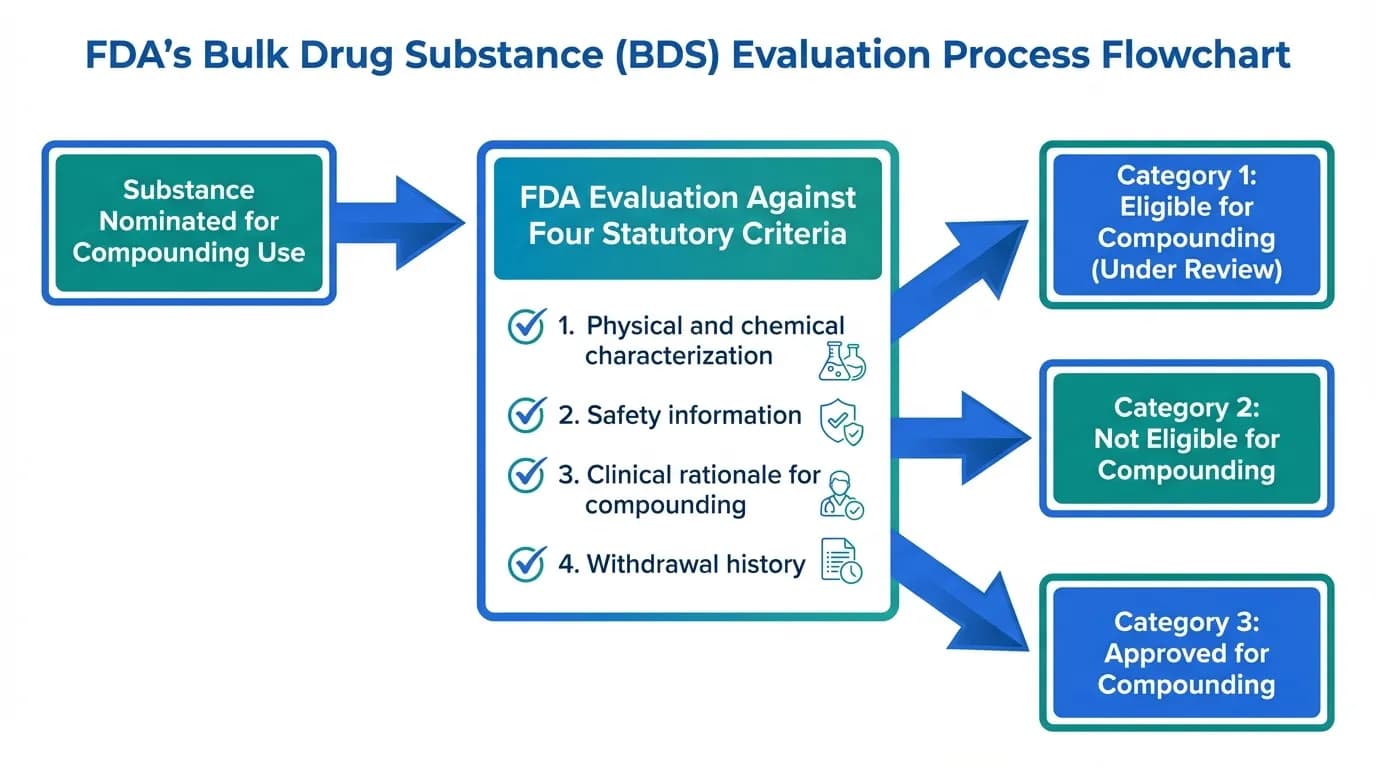
FDA Peptide Categories Explained: Category 1 vs Category 2 (2026)
Understand the FDA peptide classification system. Learn the difference between Category 1, Category 2, and Category 3 peptides and what the 2024-2026 regulatory changes mean for researchers.
Most Popular Therapeutic Peptides in 2026: 15 Ranked by Research Interest
The 15 most popular therapeutic peptides in 2026, ranked by clinical trial activity, search interest, and research community adoption. From semaglutide to BPC-157.

The Complete Guide to Peptide Stacks: Popular Combinations Explained
Guide to peptide stacking — the science behind combining peptides, popular stacks for healing and GH release, plus safety considerations.
You Might Also Like
Related content you may find interesting