Most Popular Therapeutic Peptides in 2026: 15 Ranked by Research Interest
Infographic overview of Most Popular Therapeutic Peptides in 2026: 15 Ranked by Research Interest
Infographic pending generation
How We Ranked These Peptides#
Ranking therapeutic peptides requires balancing multiple signals. A peptide with massive search volume may have minimal clinical evidence, while an FDA-approved compound may generate less community interest than a preclinical research peptide. We used four criteria to build this ranking:
Google Trends interest score (0-100): Normalized search interest across the past 12 months, reflecting what the research and wellness communities are actively investigating. This was our primary ranking metric.
Clinical trial stage: Where each peptide sits on the regulatory pathway -- from preclinical (animal data only) to FDA-approved. Higher stages indicate more rigorous human safety and efficacy data.
Research publication volume: The breadth of peer-reviewed literature available, including both primary research papers and review articles indexed in PubMed.
Community adoption: How widely each peptide is discussed in research forums, clinical practice, and the broader peptide community.
The result is a list that reflects real-world interest rather than just clinical importance. Some peptides rank highly because they are FDA-approved blockbusters; others because they fill research niches that generate disproportionate curiosity.
Important note: This ranking is for informational purposes only. Popularity does not equal efficacy, safety, or suitability for any particular application. Several peptides on this list are not approved for human use.
The 15 Most Popular Therapeutic Peptides in 2026#
This list is ordered by Google Trends interest score, with the highest-interest peptide first. Each entry includes the peptide's research status, primary mechanism, and key data from published studies.
1. Ipamorelin -- Growth Hormone Secretagogue#
Trends Score: 81.6 | Research Status: Phase 2 | Category: Growth Hormone
Ipamorelin is a synthetic pentapeptide growth hormone secretagogue that selectively stimulates GH release via the ghrelin (GHS-R1a) receptor. What distinguishes ipamorelin from older GH secretagogues like GHRP-6 and hexarelin is its selectivity -- it produces dose-dependent GH release without significantly elevating cortisol, ACTH, or prolactin at effective doses. This cleaner release profile has made it the most popular GH peptide in research contexts.
Ipamorelin reached Phase 2 clinical trials for post-surgical ileus recovery but has not achieved FDA approval. Its primary research interest lies in its synergistic effects when combined with GHRH analogs like sermorelin or CJC-1295, creating a "push-pull" effect on pituitary GH release. The combination targets both the GHRH receptor (amplifying GH pulse amplitude) and the ghrelin receptor (increasing pulse frequency), potentially producing GH elevations greater than either peptide alone.
Research protocols typically span 8-12 weeks for body composition effects, with IGF-1 elevation measurable within 2-4 weeks. Ipamorelin's position at the top of this ranking reflects the sustained interest in growth hormone optimization across anti-aging, body composition, and recovery research.
2. Retatrutide -- Triple Agonist for Obesity#
Trends Score: 80.6 | Research Status: Phase 3 | Category: Metabolic
Retatrutide (LY3437943) is an investigational triple-hormone receptor agonist developed by Eli Lilly that targets GIP, GLP-1, and glucagon receptors simultaneously. Currently in Phase 3 clinical trials, retatrutide demonstrated unprecedented weight loss of up to 24.2% at 48 weeks in the Phase 2 trial published in the New England Journal of Medicine -- the highest weight reduction reported in any obesity clinical trial to date.
The triple agonism, particularly the addition of glucagon receptor activation, distinguishes retatrutide from the dual-agonist tirzepatide. Glucagon receptor activity may enhance energy expenditure and hepatic fat reduction, addressing metabolic dysfunction beyond weight loss alone. Phase 2 data showed significant reductions in liver fat content, positioning retatrutide as a candidate for metabolic dysfunction-associated steatotic liver disease (MASLD) in addition to obesity.
Retatrutide's high search interest reflects anticipation around its Phase 3 results and potential FDA approval, which could arrive in 2026-2027 if trials succeed. The compound represents the next frontier in multi-receptor metabolic peptide therapy.
3. Tesamorelin -- FDA-Approved GHRH Analog#
Trends Score: 77.7 | Research Status: Approved | Category: Growth Hormone
Tesamorelin (Egrifta) is an FDA-approved synthetic analog of growth hormone-releasing hormone (GHRH) consisting of 44 amino acids with a trans-3-hexenoic acid modification that improves stability. It is currently approved for the treatment of HIV-associated lipodystrophy, where it reduces visceral adipose tissue while stimulating physiological GH secretion.
Beyond its approved indication, tesamorelin has generated significant research interest for its effects on hepatic steatosis. The GILT trial demonstrated reduced liver fat and hepatic steatosis in HIV-infected patients, published in the Lancet HIV. Ongoing research explores tesamorelin's potential for cognitive function improvement, with studies investigating IGF-1-mediated neuroprotective effects. It also improves lipid profiles in clinical trials, adding cardiovascular relevance to its metabolic benefits.
Tesamorelin's popularity reflects its unique position as the only FDA-approved GHRH analog currently on the market, offering a regulated pathway for GH stimulation research that maintains normal pulsatile GH release patterns.
4. Tirzepatide -- Dual GIP/GLP-1 Agonist#
Trends Score: 76.0 | Research Status: Approved | Category: Metabolic
Tirzepatide is a first-in-class dual glucose-dependent insulinotropic polypeptide (GIP) and GLP-1 receptor agonist developed by Eli Lilly. FDA-approved as Mounjaro (2022) for type 2 diabetes and Zepbound (2023) for chronic weight management, tirzepatide is a 39-amino acid synthetic peptide with a C20 fatty diacid moiety enabling once-weekly dosing.
The SURMOUNT-1 trial established tirzepatide as the most effective FDA-approved weight loss agent, with participants on the highest dose (15 mg) achieving an average 22.5% body weight reduction over 72 weeks. Lower doses of 5 mg and 10 mg produced 15% and 19.5% weight loss respectively. In the head-to-head SURPASS-2 trial, tirzepatide showed greater HbA1c reduction and weight loss than semaglutide 1 mg, demonstrating the potential advantage of dual-receptor agonism over GLP-1 monotherapy.
Tirzepatide's dual mechanism -- activating both GIP and GLP-1 receptors -- may enhance beta-cell function and insulin sensitivity through complementary pathways. Cardiovascular outcome trials are ongoing, which could further expand its clinical utility.
5. Semaglutide -- GLP-1 Receptor Agonist#
Trends Score: 74.7 | Research Status: Approved | Category: Metabolic
Semaglutide is a GLP-1 receptor agonist developed by Novo Nordisk that has become the most widely prescribed peptide therapeutic globally. FDA-approved as Ozempic (2017) for type 2 diabetes, Wegovy (2021) for chronic weight management, and Rybelsus (2019) as the first oral GLP-1 agonist, semaglutide is a 31-amino acid synthetic peptide with a C18 fatty diacid moiety enabling once-weekly dosing.
In the STEP 1 trial, participants achieved 14.9% mean body weight reduction, and the landmark SELECT trial demonstrated a 20% reduction in major adverse cardiovascular events (MACE) in overweight and obese adults independent of diabetes status. This cardiovascular benefit expanded semaglutide's clinical relevance beyond glycemic control and weight management, establishing GLP-1 receptor agonism as a cardioprotective strategy.
Semaglutide availability in both injectable (Ozempic/Wegovy) and oral (Rybelsus) formulations gives it the broadest access profile of any peptide on this list. Its slightly lower Trends score compared to ipamorelin and retatrutide reflects the shift in search interest toward newer compounds, even as semaglutide remains the clinical standard.
6. Glutathione -- Master Antioxidant#
Trends Score: 72.4 | Research Status: Preclinical | Category: Immune
Glutathione is a tripeptide composed of glutamate, cysteine, and glycine -- the most abundant intracellular antioxidant in mammalian cells. Unlike most peptides on this list, glutathione is an endogenous molecule produced by virtually every cell in the body, playing critical roles in detoxification, immune modulation, and protection against oxidative stress.
Research interest in glutathione centers on its roles in hepatic Phase II detoxification, immune cell function (including T-cell and NK cell activity), and neuroprotection. A pilot study of liposomal oral glutathione (500-1000 mg/day) in healthy adults showed whole blood GSH increases of up to 40%, with NK cell cytotoxicity increasing up to 400% over 4 weeks. Glutathione is also investigated for skin lightening and dermatological applications.
The challenge with exogenous glutathione supplementation remains bioavailability. Oral glutathione is extensively degraded in the GI tract, which has driven interest in liposomal formulations, IV administration, and precursor strategies (NAC, glycine supplementation). Glutathione's high ranking reflects its broad applicability across wellness, detoxification, and immune support research contexts.
7. TB-500 -- Tissue Repair Peptide#
Trends Score: 70.0 | Research Status: Phase 2 | Category: Healing
TB-500 is a synthetic version of Thymosin Beta-4, a naturally occurring 43-amino acid peptide present in virtually all human and animal cells. It functions primarily through G-actin sequestration, promoting cell migration, angiogenesis, and tissue repair. TB-500 has been investigated in Phase 2 clinical trials for dermal wounds, corneal injuries (as RGN-259), and cardiac repair following ischemic injury.
TB-500's mechanism centers on its ability to sequester G-actin monomers, modulating cytoskeletal dynamics to promote cell migration toward injury sites. It also modulates inflammatory responses by inhibiting NF-kB signaling and reducing pro-inflammatory cytokines, and reduces fibrosis and scar formation through decreased myofibroblast activity. Preclinical cardiac studies demonstrated cardioprotective effects after myocardial infarction.
The combination of TB-500 with BPC-157 is one of the most discussed peptide stacks in research communities, targeting complementary healing pathways -- BPC-157 through angiogenesis and nitric oxide modulation, TB-500 through actin regulation and cell migration.
8. Sermorelin -- GHRH(1-29) Analog#
Trends Score: 69.4 | Research Status: Approved | Category: Growth Hormone
Sermorelin is a synthetic 29-amino acid peptide corresponding to the first 29 amino acids of endogenous GHRH. It was previously FDA-approved as Geref for diagnostic evaluation and treatment of GH deficiency and stimulates GH release from the pituitary via the GHRH receptor, maintaining normal pulsatile secretion patterns.
While the commercial Geref product was discontinued, sermorelin remains available through compounding pharmacies for off-label use. Its primary advantage over direct HGH administration is the preservation of the body's feedback mechanisms -- sermorelin stimulates the pituitary to produce its own GH in physiological pulsatile patterns, reducing the risk of GH-related side effects like acromegalic features or insulin resistance that can occur with supraphysiological exogenous GH.
Sermorelin's research interest is sustained by its synergistic effects when combined with ghrelin-mimetic peptides like ipamorelin. The GHRH/GHRP combination protocol has become a cornerstone of growth hormone optimization research, leveraging both the amplitude-enhancing effect of GHRH stimulation and the frequency-enhancing effect of ghrelin receptor activation.
9. Semax -- Neuroprotective ACTH Analog#
Trends Score: 67.2 | Research Status: Approved (Russia) | Category: Cognitive
Semax is a synthetic heptapeptide derived from the ACTH(4-7) fragment with a C-terminal Pro-Gly-Pro extension for metabolic stability. It is approved in Russia for treatment of stroke, cognitive disorders, and optic nerve disease, with decades of clinical use -- making it one of the most clinically validated nootropic peptides available, though it lacks FDA approval.
Semax's primary cognitive mechanism involves upregulation of BDNF and NGF expression in hippocampal and cortical neurons. It also modulates dopaminergic and serotoninergic neurotransmitter systems, influencing attention, motivation, and cognitive flexibility. Importantly, despite its ACTH origin, semax does not affect adrenal cortex function -- the Pro-Gly-Pro extension eliminates melanocortin receptor activation. Genome-wide transcriptional analysis has shown semax affects the expression of genes related to immune and vascular systems in brain focal ischemia models.
Semax is administered intranasally, typically as a 0.1% solution (200-600 mcg/day). While Russian clinical data are extensive -- including registration for stroke recovery and cognitive impairment -- these findings have not been widely replicated in Western trial frameworks, which limits its international regulatory acceptance.
10. KPV -- Anti-Inflammatory Tripeptide#
Trends Score: 67.0 | Research Status: Preclinical | Category: Immune
KPV (Lys-Pro-Val) is a naturally occurring anti-inflammatory tripeptide derived from the C-terminal end of alpha-melanocyte-stimulating hormone (alpha-MSH). What makes KPV particularly interesting is that it inhibits NF-kB signaling independently of melanocortin receptors -- a mechanism distinct from other alpha-MSH fragments that require receptor binding for their anti-inflammatory effects.
KPV is transported into intestinal epithelial cells via the PepT1 transporter, making it a promising candidate for inflammatory bowel disease (IBD) research. Studies using alginate-chitosan nanoparticles loaded with KPV for targeted colonic delivery demonstrated improved therapeutic efficacy compared to free KPV in colitis models. The peptide crosses cell membranes and enters the nucleus, directly modulating NF-kB nuclear translocation.
KPV's high search interest relative to its preclinical status reflects the growing demand for gut-targeted anti-inflammatory peptides, particularly in the context of IBD, mucosal inflammation, and gut barrier function research.
11. GHK-Cu -- Copper Peptide#
Trends Score: 66.9 | Research Status: Preclinical | Category: Healing
GHK-Cu (glycyl-L-histidyl-L-lysine:copper(II)) is a naturally occurring copper-binding tripeptide first identified in human plasma by Loren Pickart in 1973. It consists of three amino acids (Gly-His-Lys) chelated to a copper(II) ion and has been studied for its roles in wound healing, tissue remodeling, skin rejuvenation, and gene expression modulation.
GHK-Cu's scope of activity is unusually broad for such a small molecule. Gene expression studies have shown it modulates over 4,000 human genes, affecting processes including collagen synthesis, glycosaminoglycan production, anti-inflammatory signaling, and tissue remodeling. Topical studies demonstrate improved skin firmness, reduced wrinkle depth, and enhanced skin thickness comparable to tretinoin. Preclinical research also suggests support for hair growth through effects on hair follicle cycling.
GHK-Cu is widely used in cosmetic and dermatological formulations, giving it a unique position as one of the few peptides on this list with commercial topical products. Research interest spans both the cosmetic applications (topical) and the systemic healing potential (injectable), though injectable use remains in the preclinical research context.
12. Selank -- Anxiolytic Nootropic#
Trends Score: 63.7 | Research Status: Approved (Russia) | Category: Cognitive
Selank is a synthetic heptapeptide derived from the endogenous immunomodulatory peptide tuftsin, with the same Pro-Gly-Pro stabilization used in semax. It is approved in Russia as an anxiolytic and nootropic medication, administered intranasally.
Selank's anxiolytic mechanism is distinct from benzodiazepines: it modulates GABAergic signaling without binding GABA-A receptors directly, producing anxiolysis without sedation, tolerance, or dependence. It also influences serotonergic neurotransmission and upregulates BDNF expression, providing neurotrophic support alongside its anti-anxiety effects. The peptide retains immunomodulatory properties from its parent compound tuftsin.
Selank's cognitive benefit is primarily indirect -- by reducing anxiety without sedation, it removes a major barrier to optimal cognitive performance. Russian clinical data report improvements in both anxiety scores and cognitive test performance. Like semax, its evidence base is predominantly from Russian studies, limiting international regulatory acceptance.
13. MOTS-c -- Mitochondrial Exercise Mimetic#
Trends Score: 63.1 | Research Status: Preclinical | Category: Mitochondrial
MOTS-c is a 16-amino acid mitochondrial-derived peptide discovered in 2015 by Dr. Changhan David Lee at USC. It activates AMPK signaling -- the same pathway triggered by physical exercise -- and functions as a metabolic regulator that improves insulin sensitivity, enhances glucose metabolism, and increases cellular stress resistance.
MOTS-c's classification as an "exercise mimetic" stems from its ability to activate AMPK and reproduce some of the metabolic benefits of physical activity in preclinical models, including improved exercise capacity and glucose uptake. Circulating MOTS-c levels decline naturally with age, correlating with reduced metabolic function and insulin sensitivity -- a pattern that positions MOTS-c as both a biomarker and potential therapeutic target for metabolic aging.
As a mitochondrial-derived peptide (MDP), MOTS-c belongs to a relatively new class of signaling molecules encoded within the mitochondrial genome. This positions it alongside humanin as part of an emerging field exploring how mitochondria communicate with distant tissues through peptide signals. No human clinical trials have been completed.
14. BPC-157 -- Gastric Healing Peptide#
Trends Score: 58.3 | Research Status: Preclinical | Category: Healing
BPC-157 (Body Protection Compound-157) is a synthetic pentadecapeptide consisting of 15 amino acids derived from a protective protein found in human gastric juice. It has one of the most extensive preclinical literature bases of any research peptide, with animal studies spanning tissue healing across multiple organ systems -- tendons, ligaments, gastrointestinal tissue, muscle, bone, and neural tissue.
BPC-157's mechanisms include promotion of angiogenesis, modulation of the nitric oxide system, protection of endothelial function, and interaction with the gut-brain axis. Animal studies show measurable tissue healing effects within 24-72 hours, with significant improvements by 7-14 days. Both oral and injectable routes have shown activity in preclinical models, with BPC-157's gastric juice origin conferring stability in acidic environments.
Despite its extensive preclinical data and widespread community adoption, BPC-157 has not undergone rigorous human clinical trials. This gap between preclinical promise and clinical validation is a defining characteristic of BPC-157's research profile. Its lower Trends score relative to its community prominence may reflect its long-established status -- interest has stabilized rather than peaked.
15. Epitalon -- Telomerase Activator#
Trends Score: N/A | Research Status: Preclinical | Category: Anti-Aging
Epitalon is a synthetic tetrapeptide (Ala-Glu-Asp-Gly) developed as an analog of the pineal gland peptide Epithalamin. It is reported to activate telomerase (hTERT) in human somatic cells and has been studied for anti-aging and lifespan-extending properties, primarily by the Khavinson research group at the Institute of Bioregulation and Gerontology in Saint Petersburg.
Khavinson studies report that epitalon treatment of human fibroblast cultures activated hTERT expression, increased telomerase activity, and extended proliferative lifespan beyond the Hayflick limit by over 10 additional doublings. Animal lifespan studies from the same group reported increased maximum lifespan in rats and mice. The peptide is also investigated for circadian rhythm regulation through its effects on pineal gland function and melatonin secretion.
The critical caveat with epitalon is that its evidence base is dominated by a single research group, with limited independent replication by international labs. The proposed mechanism of a four-amino acid peptide directly activating telomerase gene expression requires more robust validation. No clinical trials have been conducted, and the theoretical connection between telomerase activation and practical anti-aging outcomes in humans remains unestablished.
Emerging Peptides to Watch#
Several next-generation peptides are generating significant anticipation but have not yet accumulated the sustained search interest to rank in the top 15:
Amycretin -- Novo Nordisk's first-in-class unimolecular GLP-1/amylin receptor agonist. Unlike CagriSema (two separate peptides), amycretin combines both activities in a single 68-amino acid molecule. Phase 1b/2a data showed up to 24.3% weight loss at 36 weeks with subcutaneous dosing. An oral formulation achieved 13.1% at 12 weeks. Phase 3 trials are planned for 2026.
CagriSema -- Novo Nordisk's fixed-dose combination of cagrilintide (amylin analog) and semaglutide (GLP-1 agonist). The Phase 3 REDEFINE 1 trial reported 20.4% weight loss at 68 weeks. As a two-peptide combination, CagriSema targets complementary satiety pathways.
CT-388 -- Roche's signal-biased dual GLP-1/GIP receptor agonist acquired via Carmot Therapeutics. Its biased signaling minimizes beta-arrestin recruitment and receptor internalization. Phase 2 data showed 22.5% placebo-adjusted weight loss at 48 weeks with no plateau observed. Phase 3 planned for 2026.
MariTide -- Amgen's antibody-peptide conjugate combining GLP-1 receptor agonism with GIP receptor antagonism. Its approximately 21-day half-life enables monthly or less frequent dosing, which could be a significant adherence advantage over weekly injectables.
How to Explore Further#
This ranking provides a snapshot of the 2026 peptide research landscape, but each compound has substantially more depth than a summary can capture.
- Find peptides matched to your research interest: The Peptide Finder Quiz asks about your goals and evidence-level preferences to recommend specific compounds from our full database.
- Compare any two peptides head-to-head: Use the Comparison Tool or browse existing comparisons like BPC-157 vs TB-500 and Semaglutide vs Tirzepatide.
- Filter by evidence level: The Evidence Explorer lets you sort all peptides by research status, publication count, and trial phase.
- Browse by category: Explore Growth Hormone peptides, Metabolic peptides, Healing peptides, Cognitive peptides, or Anti-Aging peptides.
FAQ#
What are the most studied therapeutic peptides?#
The most studied peptides by clinical trial volume are semaglutide and tirzepatide, both FDA-approved with extensive Phase 3 and Phase 4 trial programs. In the growth hormone space, tesamorelin and sermorelin have the most clinical data. For healing peptides, BPC-157 has the largest preclinical literature, while TB-500 has advanced furthest in clinical trials. Semax and selank have the longest real-world clinical use among nootropic peptides, with decades of approved use in Russia.
Which peptides are FDA approved?#
From this list, three peptides hold current FDA approvals: semaglutide (Ozempic for diabetes, Wegovy for weight management, Rybelsus oral formulation), tirzepatide (Mounjaro for diabetes, Zepbound for weight management), and tesamorelin (Egrifta for HIV lipodystrophy). Sermorelin was previously approved as Geref but the commercial product was discontinued. Semax and selank are approved by Russian regulators but not by the FDA or EMA.
What is the most popular weight loss peptide?#
Semaglutide (Wegovy) and tirzepatide (Zepbound) are the most prescribed weight loss peptides globally. By efficacy in clinical trials, retatrutide holds the record at 24.2% weight loss in Phase 2, followed by amycretin at 24.3% in Phase 1b/2a (smaller trial), tirzepatide at 22.5% in SURMOUNT-1, and semaglutide at 14.9% in STEP 1. Retatrutide, amycretin, CT-388, CagriSema, and MariTide are all in advanced clinical development and may reach the market in the coming years.
How are peptides different from traditional drugs?#
Peptides are short chains of amino acids (typically 2-50 amino acids) that function as signaling molecules in the body. Unlike small-molecule drugs that often interact with a single target, peptides can modulate complex biological pathways through receptor activation, gene expression changes, or structural roles. Many therapeutic peptides are synthetic versions of naturally occurring signaling molecules. Their specificity tends to produce fewer off-target effects than small molecules, though their larger size creates challenges for oral bioavailability and stability.
Data visualization for Most Popular Therapeutic Peptides in 2026: 15 Ranked by Research Interest
Infographic pending generation
Frequently Asked Questions About Most Popular Therapeutic Peptides in 2026: 15 Ranked by Research Interest
What are the most studied therapeutic peptides in 2026?
The most studied therapeutic peptides in 2026 span several categories. FDA-approved GLP-1 agonists semaglutide and tirzepatide lead in clinical trial volume. Growth hormone secretagogues ipamorelin and tesamorelin are the most researched in the GH space. For healing, BPC-157 and TB-500 have the largest preclinical literature. Semax and selank are the most clinically validated nootropic peptides with regulatory approval in Russia.
Which peptides on this list are FDA approved?
Three peptides on this list have current FDA approvals: semaglutide (Ozempic, Wegovy, Rybelsus), tirzepatide (Mounjaro, Zepbound), and tesamorelin (Egrifta). Sermorelin was previously FDA-approved as Geref but the commercial product was discontinued. Semax and selank are approved in Russia but not by the FDA.
What is the most popular weight loss peptide in 2026?
Semaglutide (Wegovy) and tirzepatide (Zepbound) are the two most widely prescribed weight loss peptides. Tirzepatide achieved up to 22.5% weight loss in the SURMOUNT-1 trial, while retatrutide showed 24.2% in Phase 2 and is in Phase 3 trials. These GLP-1-based peptides dominate the metabolic peptide landscape.
What does this article cover?
This guide ranks the 15 most popular therapeutic peptides in 2026 based on Google Trends search interest, clinical trial stage, and research community adoption. It covers peptides across metabolic, growth hormone, healing, cognitive, immune, mitochondrial, and anti-aging categories, with data sourced from each peptide's published research profile. This guide is for educational purposes only and does not constitute medical advice.
Continue reading this research review
Free access to the complete analysis with citations and evidence ratings.
150+ peptide profiles · 30+ comparisons · 18 research tools
Medical Disclaimer
This website is for educational and informational purposes only. The information provided is not intended to diagnose, treat, cure, or prevent any disease. Always consult with a qualified healthcare professional before using any peptide or supplement.
Join 2,000+ researchers getting biweekly updates
Enjoyed this article?
The Research Briefing delivers deep-dives like this biweekly — plus new study breakdowns, safety updates, and tool announcements.
Free forever. No spam. Unsubscribe in one click.
Where to Find These Peptides
Continue Exploring
Peptide Profiles
Keep Reading
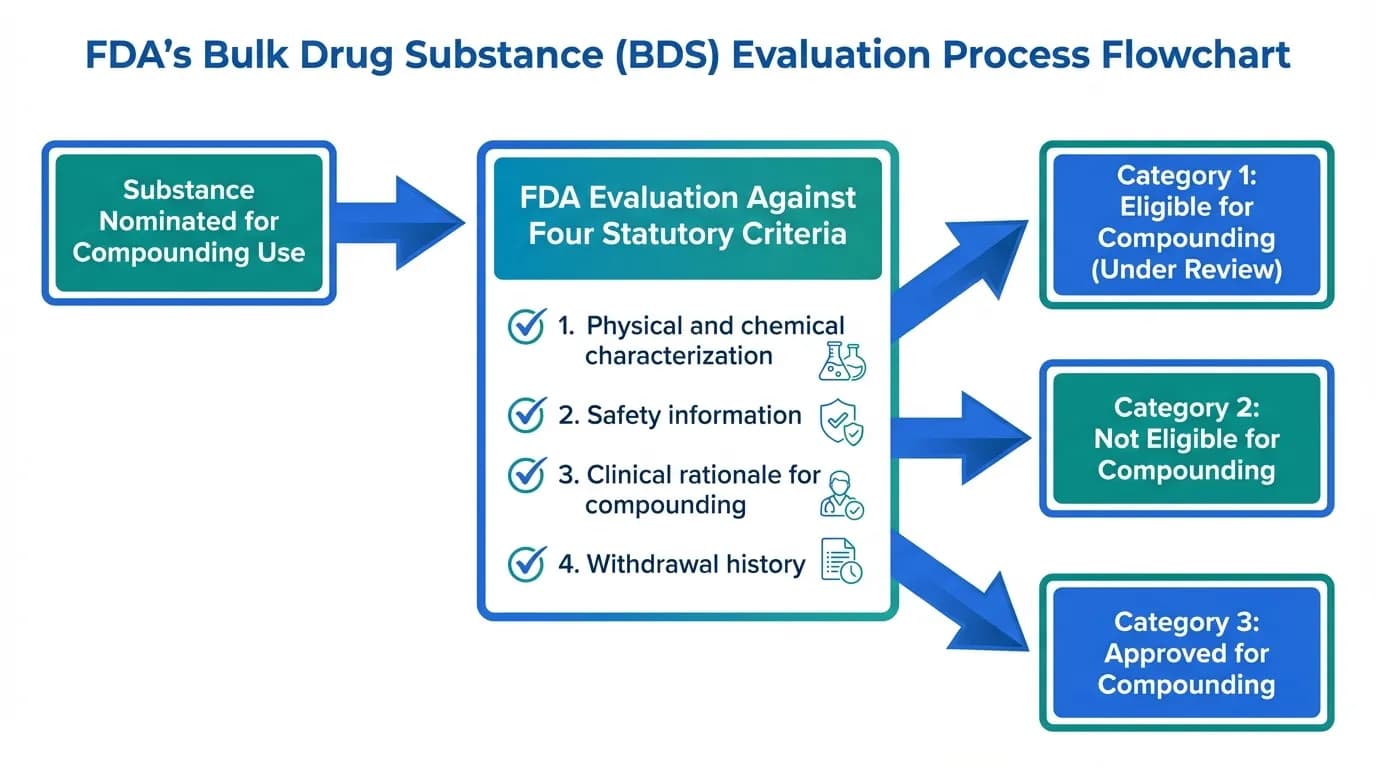
FDA Peptide Categories Explained: Category 1 vs Category 2 (2026)
Understand the FDA peptide classification system. Learn the difference between Category 1, Category 2, and Category 3 peptides and what the 2024-2026 regulatory changes mean for researchers.
Peptide Stacking Guide 2026: Best Combinations by Goal
The definitive 2026 guide to peptide stacking organized by goal. Fat loss, muscle growth, healing, anti-aging, and cognitive stacks with evidence levels, dosing timing, and safety considerations.

What Is Peptide Therapy? A Complete Guide to Peptide-Based Treatments
Peptide therapy uses short-chain amino acids to target specific biological pathways. Learn how peptide treatments work, FDA-approved options, clinical applications, and what the research shows.
You Might Also Like
Related content you may find interesting