BPC-157 + TB-500 Blend: The Research Behind the 'Wolverine Stack'

Introduction#
The combination of BPC-157 and TB-500 (a synthetic fragment of thymosin beta-4) has become one of the most widely discussed peptide blends in regenerative research. Often referred to as the "Wolverine Stack" in popular media, this pairing combines two peptides with distinct but potentially complementary mechanisms of tissue repair.
This article reviews the individual evidence for each peptide, examines the theoretical basis for their combination, and identifies the critical gaps researchers should be aware of before drawing conclusions about this blend.
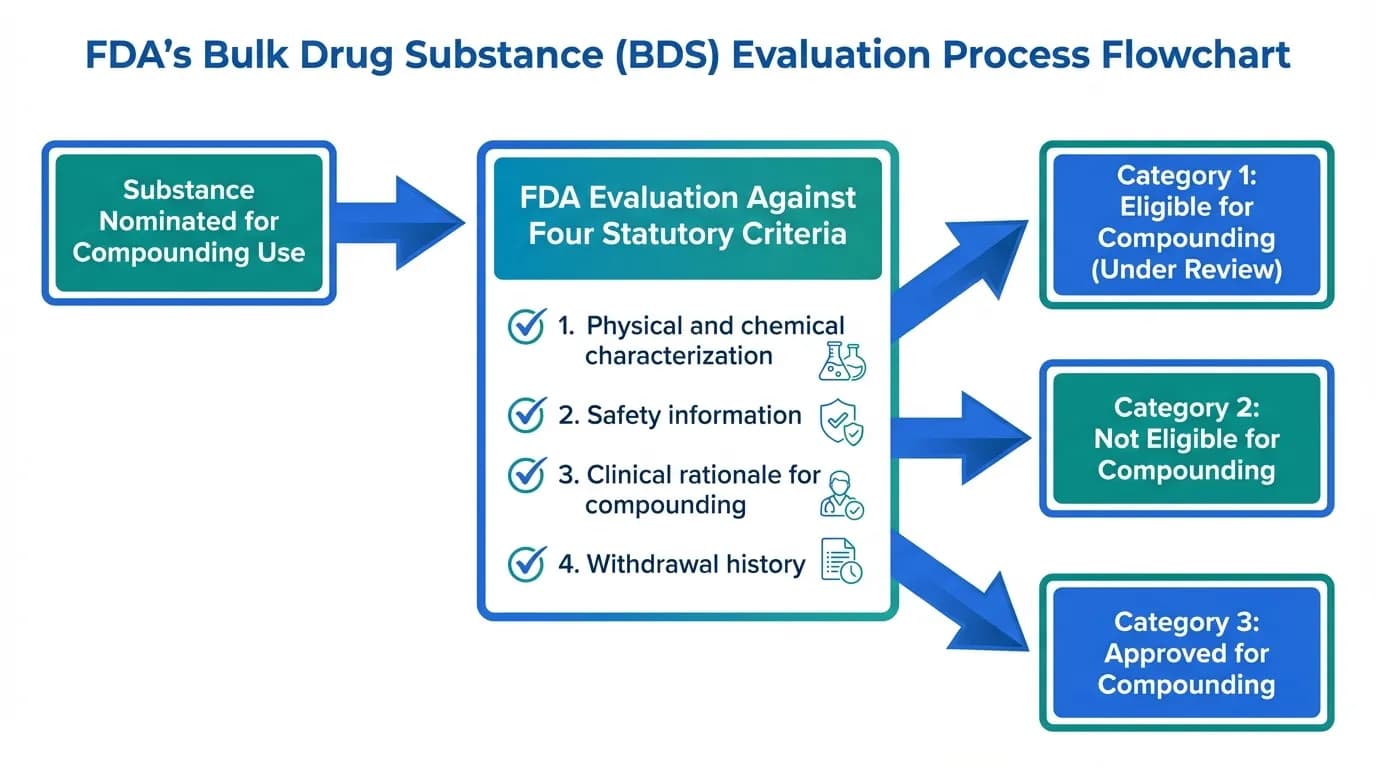
Important Regulatory Context: BPC-157 was placed in FDA Category 2 (banned from compounding) in 2024. TB-500 is not FDA-approved for any indication. Neither peptide is approved for human therapeutic use in the United States. Both are banned by the World Anti-Doping Agency (WADA).
Understanding the Individual Components#
BPC-157: Gastric Pentadecapeptide#
BPC-157 (Body Protection Compound-157) is a 15-amino-acid peptide derived from a protective protein found in human gastric juice. It has been studied in over 100 preclinical models spanning tendon, ligament, muscle, bone, skin, and gastrointestinal tissue repair.
Key mechanisms identified in research:
- VEGFR2 pathway activation: BPC-157 upregulates vascular endothelial growth factor receptor-2 (VEGFR2) expression at both mRNA and protein levels, promoting angiogenesis through the PI3K-Akt-eNOS signaling cascade 1.
- Nitric oxide modulation: The peptide activates both VEGF-dependent (VEGFR2-PI3K-Akt-eNOS) and VEGF-independent (Src-caveolin-1-eNOS) pathways to nitric oxide production, supporting vasodilation and vascular stability 2.
- Growth factor upregulation: BPC-157 increases expression of multiple growth factors including VEGF, EGF, and FGF, and upregulates growth hormone receptor expression in healing tissues 3.
- Anti-inflammatory effects: The peptide reduces pro-inflammatory cytokine production and modulates the inflammatory response in injury models 3.
A 2025 systematic review of 36 studies (1993-2024) confirmed that BPC-157 promotes healing by boosting growth factors and reducing inflammation, with improved outcomes demonstrated in muscle, tendon, ligament, and bone injury models in animals 3. However, the review also noted that the vast majority of evidence comes from preclinical studies, with total published human data involving fewer than 15 subjects 4.
TB-500: Thymosin Beta-4 Fragment#
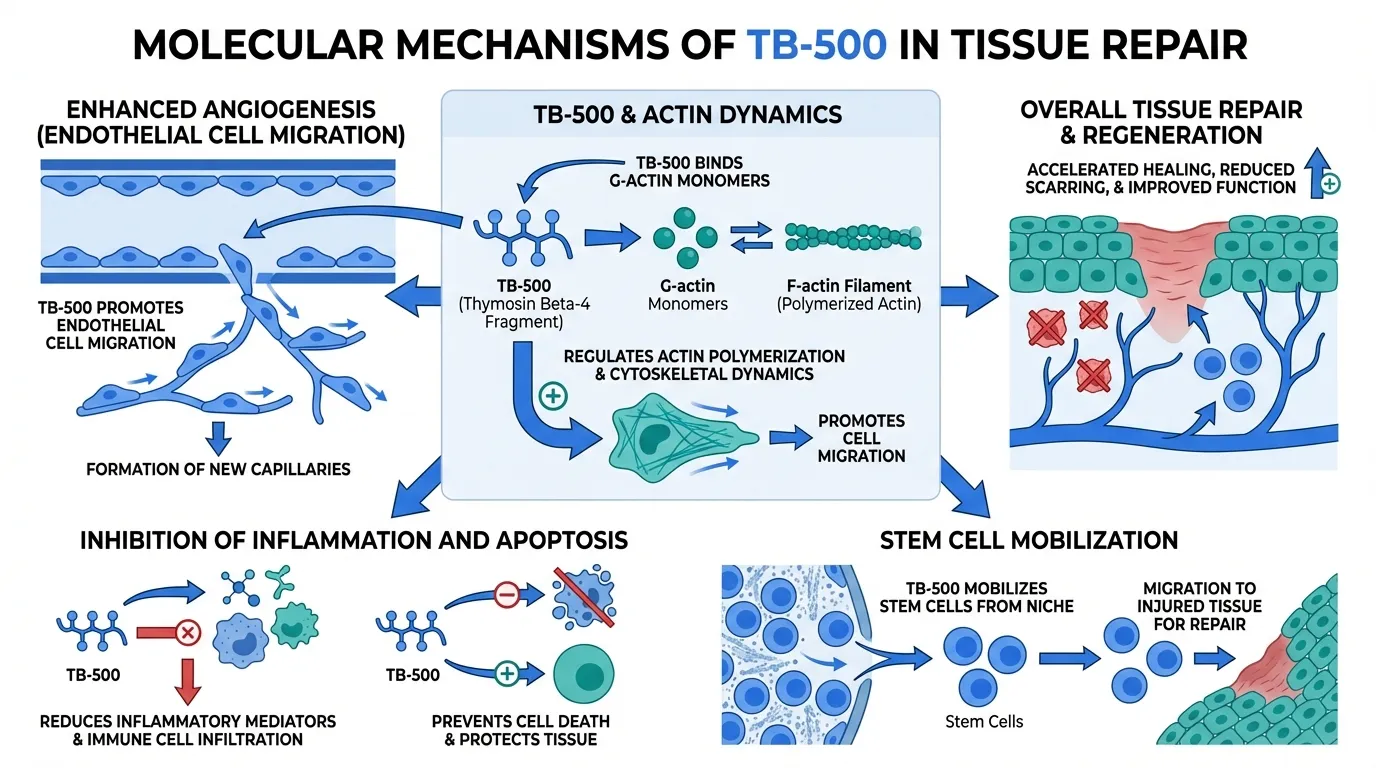
TB-500 is a synthetic peptide corresponding to the active region (amino acids 17-23) of thymosin beta-4, a naturally occurring 43-amino-acid peptide that plays fundamental roles in cell migration, wound healing, and tissue repair throughout the body.
Key mechanisms identified in research:
- Actin sequestration and cell migration: Thymosin beta-4 is one of the most important actin-sequestering proteins in the body. By binding to monomeric actin (G-actin), it regulates cytoskeletal dynamics and promotes the directed migration of cells to injury sites 5.
- Angiogenesis promotion: In the foundational 1999 study, thymosin beta-4 promoted wound healing through enhanced angiogenesis, with topical or intraperitoneal administration increasing reepithelialization by 42% at 4 days and 61% at 7 days compared to saline controls 5.
- Anti-inflammatory and anti-apoptotic effects: Thymosin beta-4 inhibits inflammation and apoptosis at injury sites, facilitating the transition from the inflammatory phase to the proliferative phase of healing 6.
- Stem cell mobilization: Research has shown that thymosin beta-4 promotes stem cell mobilization and differentiation, contributing to tissue regeneration 7.
Notably, thymosin beta-4 was the first molecule demonstrated to simultaneously initiate myocardial and vascular regeneration in animal models 8. Phase 2 clinical trials showed that thymosin beta-4 accelerated healing of chronic stasis and pressure ulcers by approximately one month compared to placebo 7.
Critical distinction: The clinical trial data applies to thymosin beta-4 (the full 43-amino-acid peptide), not TB-500 (the 7-amino-acid synthetic fragment). While TB-500 contains the active actin-binding domain, it is not structurally identical to the parent compound, and direct extrapolation of clinical results requires caution.
The Rationale for Combining BPC-157 and TB-500#
The theoretical basis for combining these two peptides rests on their distinct but converging mechanisms of action. Rather than acting on the same pathway, they appear to address different rate-limiting steps in the tissue repair process.
Complementary Pathway Targeting#
| Repair Process | BPC-157 Contribution | TB-500 Contribution |
|---|---|---|
| Angiogenesis | VEGFR2 upregulation, NO-mediated vasodilation | Endothelial cell migration, microvascular sprouting |
| Inflammation | Cytokine modulation, anti-inflammatory signaling | Anti-inflammatory and anti-apoptotic effects |
| Cell recruitment | Growth factor upregulation (VEGF, EGF, FGF) | Actin-mediated cell migration to injury site |
| Matrix remodeling | Growth hormone receptor upregulation | Laminin-5 upregulation for cell adhesion |
| Vascular stability | Src-caveolin-1-eNOS pathway activation | Endothelial progenitor cell differentiation |
The key hypothesis is that BPC-157 may prime the healing microenvironment by upregulating growth factor receptors, enhancing fibroblast responsiveness, and promoting angiogenesis through nitric oxide pathways, while TB-500 facilitates the physical migration of repair cells to the injury site through cytoskeletal reorganization and actin dynamics.
Convergent Angiogenesis Through Different Entry Points#
Both peptides promote angiogenesis, but through different molecular pathways. BPC-157 drives new blood vessel formation primarily through VEGFR2 signaling and nitric oxide-mediated vasodilation 12. TB-500 promotes angiogenesis through endothelial cell migration and microvascular sprouting, driven by its actin-sequestering properties 5.
This distinction is significant because angiogenesis is a multi-step process. Vessel formation requires both the signaling cascades that initiate the process (where BPC-157 may contribute) and the physical migration and organization of endothelial cells (where TB-500 may contribute). Targeting both steps could theoretically produce a more complete angiogenic response than either peptide alone.
Tissue-Specific Considerations#
Research suggests the combination may be particularly relevant in tissues with high vascular demands during healing:
- Tendon and ligament repair: These tissues have limited blood supply, making angiogenesis a critical bottleneck in recovery. BPC-157 has shown particular efficacy in Achilles tendon healing models, with enhanced tensile strength and improved collagen organization 3.
- Muscle tissue: Both peptides have demonstrated effects in muscle repair models. Thymosin beta-4 promotes satellite cell activation, while BPC-157 supports the inflammatory-to-repair transition 36.
- Gastrointestinal tissue: BPC-157 has extensive data in gut healing models given its origin as a gastric peptide, while thymosin beta-4's cell migration properties are relevant to mucosal repair 3.
What the Evidence Actually Shows#
Evidence That Exists#
For BPC-157 individually:
- Over 100 preclinical (animal) studies across multiple tissue types
- 2025 systematic review confirming efficacy across 36 studies 3
- A pilot human IV infusion study (n=2) showing safety at 10 mg and 20 mg doses 4
- An intra-articular injection study (n=12) with 91.6% reporting significant knee pain improvement 9
For thymosin beta-4 / TB-500 individually:
- Phase 2 clinical trials demonstrating accelerated wound healing 7
- Extensive preclinical research on cell migration and angiogenesis 5
- Cardiac regeneration data in animal models 8
- Gene expression studies showing broad regenerative pathway activation 6
Evidence That Does Not Exist#
For the BPC-157 + TB-500 combination:
- No published peer-reviewed studies have tested BPC-157 and TB-500 together in any model system
- No clinical trials, ongoing or completed, have evaluated the combination
- No pharmacokinetic data exists on potential interactions between the two peptides
- No dose-response studies have been conducted for the blend
- The term "synergy" has not been validated through controlled combination studies
This is the most critical limitation of the "Wolverine Stack" concept. While the mechanistic rationale for combination is plausible based on individual peptide data, the actual combined effects remain entirely hypothetical. Synergy, antagonism, and neutral co-administration are all possible outcomes, and no published data distinguishes between them.
Dosing Approaches in Published Research#
The following dosing information reflects what has been used in published preclinical and clinical studies for each peptide individually. No validated dosing protocol exists for the combination.
BPC-157 in Published Studies#
| Model | Route | Dose | Duration |
|---|---|---|---|
| Rat tendon repair | Intraperitoneal | 10 mcg/kg/day | 14-28 days |
| Rat muscle injury | Local injection | 10 mcg/kg | Single dose |
| Human pilot (safety) | Intravenous | 10-20 mg | Single dose |
| Human knee pain | Intra-articular | Not standardized | Variable |
Thymosin Beta-4 in Published Studies#
| Model | Route | Dose | Duration |
|---|---|---|---|
| Rat wound healing | Topical/IP | 5 mcg per wound | 4-7 days |
| Human dermal ulcers (Phase 2) | Topical | 0.03% gel | 28-56 days |
| Rat cardiac repair | Intraperitoneal | 12 mg/kg | 7-14 days |
Important Dosing Caveats#
Extrapolating animal doses to human-equivalent doses requires allometric scaling and is not straightforward. The doses used in commercial peptide blends are not based on published efficacy data for the combination and have not been validated in any controlled study.
Safety Considerations#
Known Individual Safety Profiles#
BPC-157: Generally well-tolerated in the limited human data available. The 2025 pilot study found no adverse effects on cardiac, hepatic, renal, thyroid, or glucose biomarkers at IV doses of 10-20 mg 4. Animal studies have not identified significant toxicity at therapeutic doses.
Thymosin beta-4: The Phase 2 clinical trials reported that thymosin beta-4 is safe and well tolerated 7. It has been described as having a favorable safety profile in dermal and wound healing applications.
Unknown Combination Risks#
- No toxicology data exists for the BPC-157 + TB-500 combination
- Potential drug-drug interactions have not been evaluated
- The effect of combining two pro-angiogenic peptides on tumor biology is unknown and theoretically concerning
- Long-term safety of either peptide alone has not been established in humans, let alone in combination
- Quality control of commercial peptide blends is inconsistent, with purity and degradation being significant concerns
Comparing the Individual Peptides#
| Feature | BPC-157 | TB-500 (Thymosin Beta-4) |
|---|---|---|
| Size | 15 amino acids | 7 amino acids (fragment of 43-aa parent) |
| Origin | Human gastric juice | Thymus gland (ubiquitous expression) |
| Primary mechanism | VEGFR2/NO pathway activation | Actin sequestration/cell migration |
| Human clinical data | Very limited (n < 15) | Phase 2 trials (parent compound) |
| Evidence level | Preclinical (100+ animal studies) | Preclinical + clinical (parent compound) |
| FDA status | Category 2 (banned from compounding) | Not approved |
| WADA status | Banned | Banned |
| Stability | Stable in gastric acid | Standard peptide stability |
Key Takeaways for Researchers#
-
The mechanistic rationale is plausible but unvalidated. BPC-157 and TB-500 act through distinct pathways that could theoretically complement each other in tissue repair. However, this hypothesis has never been tested in a controlled study.
-
Individual evidence varies in strength. BPC-157 has extensive preclinical data but almost no human evidence. Thymosin beta-4 has Phase 2 clinical data, but these results apply to the full peptide, not the TB-500 fragment.
-
No combination data exists. The term "synergy" is not supported by any published research on this specific combination. Claims of synergistic effects are extrapolations from individual peptide data.
-
Regulatory barriers are significant. BPC-157's Category 2 designation and the lack of FDA approval for either peptide limit legitimate research access and clinical investigation.
-
Quality control is a concern. Commercial peptide blends lack pharmaceutical-grade manufacturing standards, and purity, stability, and degradation profiles are inconsistent across sources.
-
Pro-angiogenic combinations warrant caution. Combining two peptides that both promote blood vessel formation raises theoretical concerns about effects on existing vasculature and potential implications for tumor biology that have not been investigated.
Future Research Directions#
The BPC-157 + TB-500 combination represents an area where theoretical promise significantly outpaces empirical evidence. Key research needs include:
- Controlled combination studies in established preclinical injury models
- Pharmacokinetic interaction studies to understand how co-administration affects absorption, distribution, and metabolism
- Dose-response studies for the combination to establish optimal ratios
- Long-term safety assessments, particularly regarding pro-angiogenic effects
- Human clinical trials that specifically test the combination rather than individual peptides
- Standardized manufacturing protocols for research-grade combination products
Until such studies are completed, the "Wolverine Stack" remains an interesting hypothesis built on strong individual peptide data but lacking direct validation as a combined approach.
References#
Related Peptide Profiles#
Learn more about the peptides discussed in this article:
- BPC-157 Overview and Research Guide
- BPC-157 Dosing Protocols
- BPC-157 Side Effects and Safety
- TB-500 Overview and Research Guide
- TB-500 Dosing Protocols
- TB-500 Side Effects and Safety
Footnotes#
-
Modulatory effects of BPC 157 on vasomotor tone and the activation of Src-Caveolin-1-endothelial nitric oxide synthase pathway. Scientific Reports. PMID: 33051481. 2020. ↩ ↩2
-
BPC 157 Therapy: Targeting Angiogenesis and Nitric Oxide's Cytotoxic and Damaging Actions. Pharmaceuticals. PMC: 12567428. 2025. ↩ ↩2
-
Emerging Use of BPC-157 in Orthopaedic Sports Medicine: A Systematic Review. PMID: 40756949. 2025. ↩ ↩2 ↩3 ↩4 ↩5 ↩6 ↩7
-
Safety of Intravenous Infusion of BPC157 in Humans: A Pilot Study. PMID: 40131143. 2025. ↩ ↩2 ↩3
-
Thymosin beta4 accelerates wound healing. PMID: 10469335. 1999. ↩ ↩2 ↩3 ↩4
-
Progress on the Function and Application of Thymosin Beta-4. PMC: 8724243. 2021. ↩ ↩2 ↩3
-
The regenerative peptide thymosin beta-4 accelerates the rate of dermal healing in preclinical models and patients. PMID: 23050815. 2012. ↩ ↩2 ↩3 ↩4
-
Thymosin beta4 and cardiac repair. PMID: 20536454. 2010. ↩ ↩2
-
Intra-Articular Injection of BPC 157 for Multiple Types of Knee Pain. PMID: 34324435. 2021. ↩

Frequently Asked Questions About BPC-157 + TB-500 Blend: The Research Behind the 'Wolverine Stack'
What does this article cover?
An evidence-based review of the BPC-157 and TB-500 (thymosin beta-4) peptide blend, examining the research behind their complementary healing mechanisms, preclinical evidence, and important limitations. This guide is for educational purposes only and does not constitute medical advice.
Which peptides are discussed in this article?
This article covers BPC-157, TB-500. Key context: BPC-157 (Primary blend component studied for broad tissue repair via VEGF, NO, and growth factor pathways); TB-500 (Primary blend component studied for wound healing via actin regulation and cell migration). Each peptide is discussed based on available research evidence.
Who is this guide written for?
This guide is written for researchers and individuals seeking an evidence-based overview of the topic covered in "BPC-157 + TB-500 Blend: The Research Behind the 'Wolverine Stack'." It summarizes available research data without making treatment recommendations. Always consult a healthcare provider for medical decisions.
What are the key takeaways from this article?
The main findings covered in this article include: Primary blend component studied for broad tissue repair via VEGF, NO, and growth factor pathways. Primary blend component studied for wound healing via actin regulation and cell migration. These takeaways are based on the research data available at the time of publication.
What is BPC-157 and why is it significant?
BPC-157 is a peptide discussed in this article because: Primary blend component studied for broad tissue repair via VEGF, NO, and growth factor pathways. For a complete profile of BPC-157, see the dedicated peptide page on this site.
Continue reading this research review
Free access to the complete analysis with citations and evidence ratings.
150+ peptide profiles · 30+ comparisons · 18 research tools
Medical Disclaimer
This website is for educational and informational purposes only. The information provided is not intended to diagnose, treat, cure, or prevent any disease. Always consult with a qualified healthcare professional before using any peptide or supplement.
Join 2,000+ researchers getting biweekly updates
Enjoyed this article?
The Research Briefing delivers deep-dives like this biweekly — plus new study breakdowns, safety updates, and tool announcements.
Free forever. No spam. Unsubscribe in one click.
Where to Find These Peptides
Continue Exploring
Peptide Profiles
Keep Reading
FDA Peptide Categories Explained: Category 1 vs Category 2 (2026)
Understand the FDA peptide classification system. Learn the difference between Category 1, Category 2, and Category 3 peptides and what the 2024-2026 regulatory changes mean for researchers.
Peptides for Athletic Performance: What the Research Shows
A research-based guide to peptides used in athletic contexts — covering GH secretagogues for recovery, BPC-157 and TB-500 for injury repair, WADA prohibited status, evidence quality, and honest risk-benefit assessment.
Best Peptides for Tendon Repair and Recovery: Research Guide
An evidence-based review of peptides with the strongest preclinical and clinical data for tendon repair, including BPC-157, TB-500, GHK-Cu, and IGF-1 LR3 — covering mechanisms, research findings, and protocol considerations.
You Might Also Like
Related content you may find interesting