Understanding Peptide Categories: A Comprehensive Guide to Research Peptide Classifications

Introduction#
The field of peptide research encompasses hundreds of distinct compounds spanning diverse biological functions, from metabolic regulation and tissue repair to neuroprotection and cellular aging. Navigating this landscape requires a clear understanding of the major peptide categories, their defining characteristics, and the mechanistic principles that distinguish one class from another.
This guide provides a structured overview of the primary research peptide categories: Metabolic Peptides, Growth Hormone Secretagogues, Anti-Aging Peptides, Healing Peptides, Growth Factor Peptides, and Mitochondrial Peptides. For each category, we examine the underlying biology, key representative compounds, clinical development status, and the distinguishing features that separate one class from another. While individual peptides often span multiple categories -- a growth hormone secretagogue may also have anti-aging properties, for instance -- understanding the primary classification framework helps researchers, clinicians, and informed readers organize the rapidly expanding peptide literature.
Metabolic Peptides#
Metabolic peptides are compounds that primarily regulate energy metabolism, glucose homeostasis, lipid handling, or body weight. This category has seen the most dramatic clinical progress in recent years, driven by the success of GLP-1 receptor agonists and their multi-receptor successors.
Defining Characteristics#
Metabolic peptides typically act on one or more of the following targets:
- Incretin receptors: GLP-1 receptor, GIP receptor, or both
- Glucagon receptor: Promoting hepatic fat oxidation and thermogenesis
- Melanocortin system: Regulating appetite through hypothalamic circuits
- Metabolic sensors: AMPK, mTOR, and other energy-sensing kinases
Key Examples#
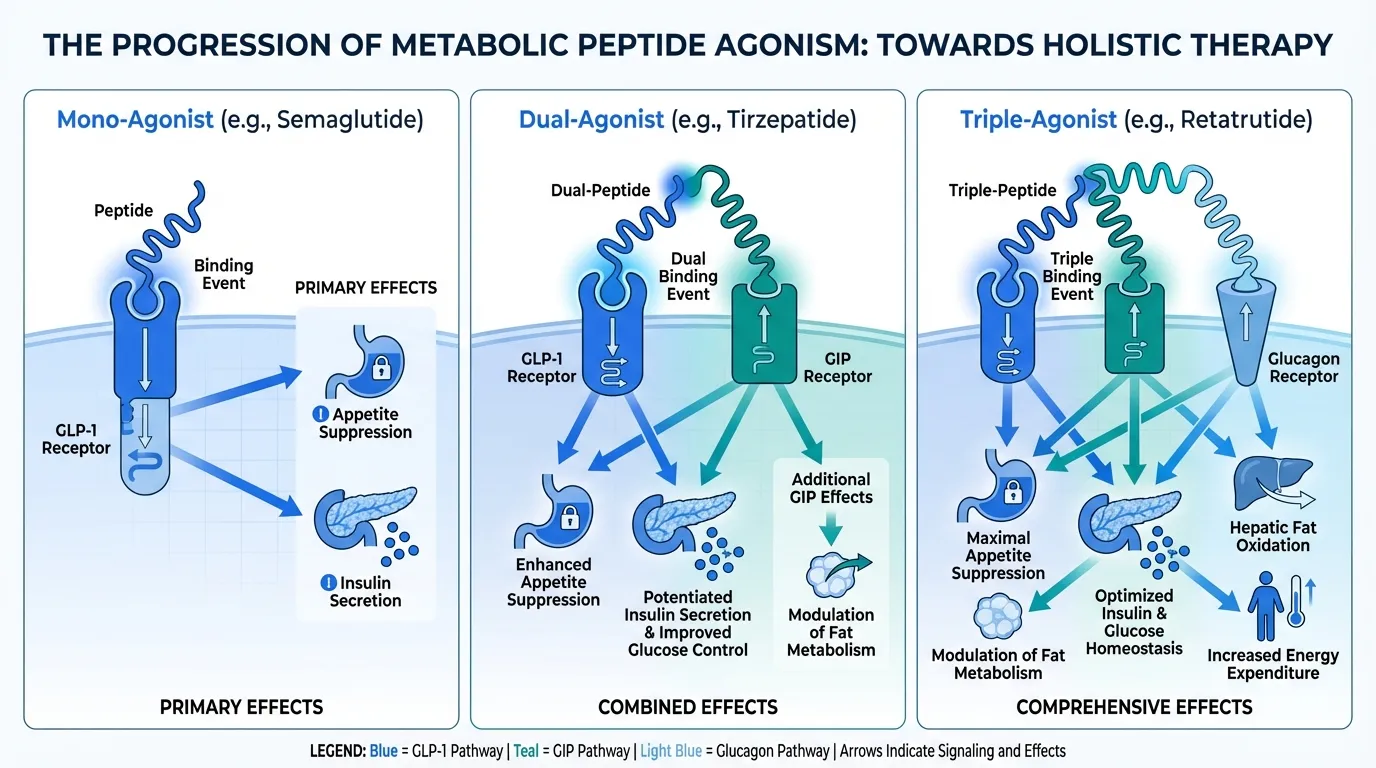
Retatrutide exemplifies the cutting edge of metabolic peptide development. As a triple agonist targeting GIP, GLP-1, and glucagon receptors simultaneously, Retatrutide represents the progression from single-target GLP-1 agonists (like semaglutide) through dual agonists (like tirzepatide) to triple agonists. In Phase 2 trials, Retatrutide demonstrated up to 24.2% body weight reduction at 48 weeks, with significant reductions in liver fat attributed to its glucagon receptor component. The triple-agonist approach addresses obesity through complementary mechanisms: GLP-1 and GIP suppress appetite and enhance insulin secretion, while glucagon promotes hepatic fat oxidation and increases energy expenditure.
Other notable metabolic peptides include tirzepatide (dual GIP/GLP-1 agonist, FDA-approved), survodutide (dual glucagon/GLP-1 agonist, Phase 3), and semaglutide (GLP-1 monoagonist, FDA-approved). The metabolic peptide category is characterized by the most advanced regulatory status of any peptide class, with multiple FDA-approved compounds and extensive Phase 3 clinical trial programs.
Research Significance#
Metabolic peptides have transformed the treatment of obesity and type 2 diabetes, with weight loss efficacy approaching or exceeding that of bariatric surgery in clinical trials. The ongoing development of multi-receptor agonists continues to push the boundaries of pharmacological weight management and metabolic disease treatment.
Growth Hormone Secretagogues#
Growth hormone secretagogues (GHSs) are peptides that stimulate the pituitary gland to release endogenous growth hormone. Unlike exogenous GH administration, secretagogues work with the body's own hormonal axis, maintaining some degree of physiological feedback regulation.
Defining Characteristics#
Growth hormone secretagogues act through two primary receptor pathways:
- GHS-R1a (ghrelin receptor): Growth hormone releasing peptides (GHRPs) and ghrelin mimetics
- GHRH receptor: GHRH analogs that mimic the hypothalamic releasing hormone
- Both pathways: Some protocols combine agents from both pathways for synergistic GH release
Key Examples#
GHRP-2 (pralmorelin) is a synthetic hexapeptide with a molecular weight of 817.9 Da that acts as a potent GHS-R1a agonist. When administered, GHRP-2 triggers rapid GH release from the pituitary within 15-30 minutes, producing sharp GH pulses that significantly exceed natural secretory peaks. Beyond GH stimulation, GHRP-2 activates ghrelin-related pathways including appetite stimulation, cortisol release, and prolactin elevation. These broader endocrine effects distinguish ghrelin-pathway secretagogues from GHRH-pathway agents.
GHRP-2 has been studied in Phase 2 clinical trials and as a diagnostic tool for GH deficiency testing. Its clinical development status reflects a common challenge in the GHS field: while the compounds effectively stimulate GH release, demonstrating clear therapeutic advantages over existing GH replacement therapy has proven difficult from a regulatory perspective.
Other important GHSs include GHRP-6 (another hexapeptide GHS-R1a agonist), hexarelin (with additional cardiovascular effects), ipamorelin (more GH-selective with fewer cortisol/prolactin effects), and Tesamorelin (FDA-approved GHRH analog). The interplay between GHRP and GHRH pathways is a key concept in this category, as combined administration produces synergistic GH release 2-3 times greater than either pathway alone.
Research Significance#
Growth hormone secretagogues represent an approach to GH optimization that preserves pituitary feedback regulation, in contrast to exogenous GH replacement which suppresses endogenous production. The category is relevant to aging research, body composition optimization, injury recovery, and the ongoing debate about the role of the GH/IGF-1 axis in healthy aging.
Anti-Aging Peptides#
Anti-aging peptides target fundamental mechanisms of cellular aging, including telomere attrition, senescent cell accumulation, epigenetic drift, and declining repair capacity. This category is the most mechanistically diverse, encompassing peptides that address different hallmarks of aging through distinct biological pathways.
Defining Characteristics#
Anti-aging peptides generally target one or more of the following aging mechanisms:
- Telomere maintenance: Activating telomerase to prevent or reverse telomere shortening
- Senescent cell clearance: Inducing apoptosis in senescent cells (senolytics)
- Epigenetic regulation: Modulating DNA methylation, histone modification, or circadian rhythm
- Proteostasis: Supporting protein quality control and autophagy
- Neuroendocrine regulation: Restoring age-related hormonal decline
Key Examples#
Epitalon (epithalon, epithalamin) is a synthetic tetrapeptide (Ala-Glu-Asp-Gly) that represents one of the most studied anti-aging peptides. Developed by Professor Vladimir Khavinson at the St. Petersburg Institute of Bioregulation and Gerontology, Epitalon is based on the naturally occurring pineal gland peptide epithalamin. Its primary mechanism centers on the activation of telomerase, the enzyme responsible for maintaining telomere length at chromosome ends. Telomere shortening is a fundamental driver of replicative senescence, and telomerase activation has been proposed as a strategy for extending cellular lifespan.
In preclinical studies, Epitalon has demonstrated the ability to activate telomerase in human somatic cells, increase the proliferative capacity of cell cultures beyond the Hayflick limit, regulate melatonin secretion from the pineal gland (which declines with age), and modulate immune function in aged animals. Animal studies by Khavinson's group reported lifespan extension in rodents receiving chronic Epitalon treatment, though these findings have not been widely replicated independently.
Other notable anti-aging peptides include FOXO4-DRI (a senolytic peptide that disrupts FOXO4-p53 interactions in senescent cells), GHK-Cu (a copper-binding tripeptide that modulates approximately 4,000 genes involved in tissue remodeling), and thymosin alpha-1 (an immune-modulating peptide that restores thymic function). The anti-aging peptide category is characterized by compelling mechanistic rationale but generally early-stage clinical development, reflecting the inherent challenge of measuring aging endpoints in clinical trials.
Research Significance#
Anti-aging peptides address what many researchers consider the root causes of age-related disease rather than individual disease symptoms. The category is at the frontier of longevity research, with significant mechanistic promise but limited human clinical data for most compounds.
Healing Peptides#
Healing peptides accelerate tissue repair processes including wound closure, tendon and ligament recovery, bone healing, and gastrointestinal mucosal protection. This category focuses on compounds that enhance the body's intrinsic regenerative capacity rather than replacing tissue with exogenous materials.
Defining Characteristics#
Healing peptides typically operate through several interconnected mechanisms:
- Angiogenesis promotion: Stimulating new blood vessel formation at injury sites
- Growth factor upregulation: Increasing local concentrations of EGF, FGF, VEGF, and other repair mediators
- Anti-inflammatory modulation: Shifting the immune response from inflammatory to reparative phases
- Extracellular matrix remodeling: Enhancing collagen synthesis, cross-linking, and organized deposition
- Cell migration and proliferation: Promoting fibroblast, endothelial cell, and stem cell recruitment
Key Examples#
BPC-157 (Body Protection Compound-157) is a 15-amino acid peptide derived from human gastric juice proteins and represents the most extensively studied healing peptide in preclinical research. With over 100 published studies across multiple tissue types, BPC-157 has demonstrated remarkable breadth of healing effects:
- Gastrointestinal: Protection against NSAID-induced ulcers, alcohol-induced gastric lesions, inflammatory bowel disease models, and esophageal damage
- Musculoskeletal: Accelerated healing of transected tendons, torn ligaments, crushed muscles, and bone fractures in rodent models
- Neurological: Neuroprotective effects in models of traumatic brain injury, peripheral nerve crush, and dopaminergic toxicity
- Organ protection: Hepatoprotective, cardioprotective, and nephroprotective effects across various injury models
BPC-157's mechanism involves modulation of the nitric oxide (NO) system, upregulation of growth factor receptors (VEGF, EGF, FGF), activation of the FAK-paxillin pathway for cell migration, and interaction with the dopaminergic system. Notably, BPC-157 shows stability in gastric acid, suggesting oral bioavailability for gastrointestinal applications.
The primary limitation is that all BPC-157 evidence comes from animal models. No completed randomized controlled human clinical trials have been published, though the breadth and consistency of preclinical data is substantial.
Other healing peptides include KPV (an alpha-MSH derivative with anti-inflammatory properties), TB-500 (the active fragment of thymosin beta-4 involved in cell migration and tissue repair), and GHK-Cu (which also has healing properties through copper-mediated collagen synthesis). The healing peptide category is characterized by strong preclinical evidence across multiple tissue types but limited human clinical data for most compounds.
Research Significance#
Healing peptides address unmet clinical needs in tissue repair, particularly for injuries with poor natural healing capacity (tendons, ligaments, cartilage) and chronic conditions (inflammatory bowel disease, non-healing wounds). Their multi-pathway mechanisms of action distinguish them from single-target pharmaceuticals.
Growth Factor Peptides#
Growth factor peptides include the insulin-like growth factors, their analogs, and related signaling peptides that directly stimulate cellular proliferation, differentiation, and growth. This category overlaps with but is distinct from growth hormone secretagogues: GHSs stimulate GH release, while growth factor peptides act downstream in the GH/IGF axis or through independent growth factor pathways.
Defining Characteristics#
Growth factor peptides typically:
- Bind growth factor receptors directly: IGF-1R, insulin receptor, EGF receptor, or FGF receptors
- Activate mitogenic signaling: PI3K/Akt, MAPK/ERK, and mTOR pathways that drive cell growth
- Promote tissue-specific growth: Muscle hypertrophy, bone formation, neural development, or wound healing depending on receptor expression patterns
- Operate downstream of GH: Many are effectors of growth hormone's anabolic actions
Key Examples#
IGF-1 LR3 (Long R3 Insulin-like Growth Factor-1) is a modified version of the endogenous growth factor IGF-1 with two key modifications: an arginine substitution at position 3 (Arg3) and a 13-amino acid N-terminal extension. These modifications reduce IGF-1 LR3's binding affinity for IGF binding proteins (IGFBPs), which normally sequester 95-99% of circulating IGF-1 and limit its bioavailability. The result is a growth factor analog with dramatically increased potency and half-life compared to native IGF-1.
IGF-1 LR3 acts through the IGF-1 receptor (IGF-1R), activating the PI3K/Akt pathway for cell survival and protein synthesis, and the MAPK/ERK pathway for cell proliferation. In research applications, IGF-1 LR3 promotes muscle hypertrophy through satellite cell activation and myoblast differentiation, supports neuronal survival and neurite outgrowth, enhances wound healing through fibroblast and keratinocyte proliferation, and stimulates bone formation through osteoblast activation.
Other growth factor peptides include native IGF-1, IGF-1 DES (a truncated variant with even further reduced IGFBP binding), MGF (Mechano Growth Factor, a splice variant of IGF-1 expressed in response to mechanical stimulation), and various EGF and FGF-derived peptides. The growth factor peptide category carries unique safety considerations related to their mitogenic potential, as sustained activation of growth signaling pathways has theoretical implications for tumor promotion in individuals with pre-existing malignancies.
Research Significance#
Growth factor peptides are essential tools for understanding cell proliferation, differentiation, and tissue growth in research settings. They bridge the gap between hormonal regulation (the GH/IGF axis) and direct cellular effects, making them relevant to muscle biology, regenerative medicine, neuroscience, and cancer biology research.
Mitochondrial Peptides#
Mitochondrial peptides represent one of the newest and most rapidly evolving categories. These compounds either originate from the mitochondrial genome (mitochondrial-derived peptides, or MDPs) or are synthetic compounds designed to target mitochondrial function. The category reflects growing recognition that mitochondrial dysfunction is central to aging, neurodegeneration, cardiac disease, and metabolic disorders.
Defining Characteristics#
Mitochondrial peptides work through diverse mechanisms:
- Retrograde signaling: MDPs communicate mitochondrial status to the nucleus, activating adaptive responses
- Membrane stabilization: Synthetic peptides that stabilize cardiolipin and cristae structure
- Metabolic signaling: Activation of AMPK and other energy-sensing pathways
- ROS regulation: Modulating reactive oxygen species production and antioxidant defense
- Bioenergetic optimization: Improving electron transport chain efficiency and ATP production
Key Examples#
MOTS-c (Mitochondrial Open Reading Frame of the Twelve S rRNA type-c) is a 16-amino acid peptide encoded within the mitochondrial genome's 12S rRNA gene. Discovered in 2015, MOTS-c was among the first peptides to demonstrate that the mitochondrial genome encodes functional signaling molecules beyond the 13 canonical electron transport chain subunits.
MOTS-c functions as an exercise mimetic and metabolic regulator through several mechanisms: it activates AMPK by inhibiting the folate-methionine cycle and causing AICAR accumulation; it translocates to the nucleus under stress conditions to regulate gene expression; and it improves insulin sensitivity, glucose disposal, and fatty acid oxidation in preclinical models. Circulating MOTS-c levels decline with age in both humans and rodents, and MOTS-c polymorphisms have been associated with longevity in certain populations, suggesting its evolutionary importance.
Other mitochondrial peptides include SS-31 (Elamipretide, a synthetic tetrapeptide that stabilizes cardiolipin in the inner mitochondrial membrane, currently in Phase 3 trials), humanin (another MDP encoded in the 16S rRNA gene with cytoprotective properties), and SHLP peptides (Small Humanin-Like Peptides, a family of six MDPs with diverse metabolic and neuroprotective effects). The mitochondrial peptide category is unique in combining endogenous signaling biology (MDPs) with rationally designed synthetic therapeutics (SS-31), bridging fundamental mitochondrial biology and clinical pharmacology.
Research Significance#
Mitochondrial peptides have opened a new chapter in mitochondrial biology by revealing that the mitochondrial genome serves as a source of regulatory peptides, not merely structural subunits of the respiratory chain. This category is central to ongoing research in aging, metabolic disease, neurodegeneration, and cardiac dysfunction.
Cross-Category Relationships#
Many peptides span multiple categories, and understanding these overlaps is important for a nuanced view of the field:
- Growth hormone secretagogues and anti-aging: GH/IGF-1 axis modulation affects aging processes, though the relationship is complex (caloric restriction extends lifespan while reducing GH/IGF-1 signaling)
- Healing peptides and growth factors: Both promote tissue repair, but healing peptides tend to modulate endogenous growth factor expression while growth factor peptides act directly on their receptors
- Metabolic peptides and mitochondrial peptides: Both address energy metabolism, but metabolic peptides target hormonal signaling (incretins, glucagon) while mitochondrial peptides target organelle function directly
- Anti-aging and mitochondrial: Mitochondrial dysfunction is a hallmark of aging, making mitochondrial peptides inherently relevant to anti-aging research
How to Navigate Peptide Categories#
When evaluating a specific peptide for research purposes, consider the following framework:
- Primary mechanism: Which biological pathway does the peptide primarily target?
- Clinical development stage: Is the peptide preclinical, in clinical trials, or FDA-approved?
- Evidence quality: Are the supporting studies preclinical only, or do human clinical data exist?
- Specificity: Does the peptide have a focused mechanism or broad systemic effects?
- Safety considerations: What is the known side effect profile, and are there contraindications?
- Category interactions: Does the peptide's mechanism overlap with other categories in ways that suggest synergistic or conflicting effects?
Conclusion#
The categorization of research peptides into Metabolic, Growth Hormone, Anti-Aging, Healing, Growth Factor, and Mitochondrial classes provides a useful organizational framework for navigating an increasingly complex field. Each category is defined by its primary mechanistic target -- hormonal receptors, pituitary signaling, cellular aging pathways, tissue repair processes, growth factor receptors, or mitochondrial function -- but the boundaries between categories are porous, reflecting the interconnected nature of biological systems.
The clinical maturity of these categories varies dramatically. Metabolic peptides lead with multiple FDA approvals and Phase 3 programs, growth hormone secretagogues have one FDA-approved compound (Tesamorelin), and healing, anti-aging, growth factor, and mitochondrial peptides remain largely in preclinical or early clinical development. This variation reflects both the inherent difficulty of different clinical endpoints (measuring "aging" is harder than measuring weight loss) and the commercial incentives driving pharmaceutical investment.
As the field progresses, researchers can expect continued convergence between categories as multi-target peptides emerge, new mitochondrial-derived peptides are discovered, and the connections between metabolism, aging, and tissue repair are further elucidated.
Related Peptide Profiles#
Learn more about the peptides discussed in this article:
- BPC-157 Overview and Research Guide
- BPC-157 Dosing Protocols
- BPC-157 Side Effects and Safety
- Retatrutide Overview and Research Guide
- Retatrutide Dosing Protocols
- Retatrutide Side Effects and Safety
- GHRP-2 Overview and Research Guide
- GHRP-2 Dosing Protocols
- GHRP-2 Side Effects and Safety
- Epitalon Overview and Research Guide
- Epitalon Dosing Protocols
- Epitalon Side Effects and Safety
- MOTS-c Overview and Research Guide
- MOTS-c Dosing Protocols
- MOTS-c Side Effects and Safety
- IGF-1 LR3 Overview and Research Guide
- IGF-1 LR3 Dosing Protocols
- IGF-1 LR3 Side Effects and Safety

Frequently Asked Questions About Understanding Peptide Categories: A Comprehensive Guide to Research Peptide Classifications
What does this article cover?
A detailed guide to the major categories of research peptides, including metabolic, growth hormone, anti-aging, healing, growth factor, and mitochondrial peptides, with examples, mechanisms, and key distinctions within each class. This guide is for educational purposes only and does not constitute medical advice.
Which peptides are discussed in this article?
This article covers BPC-157, Retatrutide, GHRP-2, Epitalon, MOTS-c, IGF-1 LR3. Key context: BPC-157 (Primary example of a healing peptide with broad tissue repair applications); Retatrutide (Example of a next-generation metabolic peptide with triple receptor agonism); GHRP-2 (Representative growth hormone secretagogue acting through the ghrelin receptor pathway). Each peptide is discussed based on available research evidence.
Who is this guide written for?
This guide is written for researchers and individuals seeking an evidence-based overview of the topic covered in "Understanding Peptide Categories: A Comprehensive Guide to Research Peptide Classifications." It summarizes available research data without making treatment recommendations. Always consult a healthcare provider for medical decisions.
What are the key takeaways from this article?
The main findings covered in this article include: Primary example of a healing peptide with broad tissue repair applications. Example of a next-generation metabolic peptide with triple receptor agonism. Representative growth hormone secretagogue acting through the ghrelin receptor pathway. These takeaways are based on the research data available at the time of publication.
What is BPC-157 and why is it significant?
BPC-157 is a peptide discussed in this article because: Primary example of a healing peptide with broad tissue repair applications. For a complete profile of BPC-157, see the dedicated peptide page on this site.
Continue reading this research review
Free access to the complete analysis with citations and evidence ratings.
150+ peptide profiles · 30+ comparisons · 18 research tools
Medical Disclaimer
This website is for educational and informational purposes only. The information provided is not intended to diagnose, treat, cure, or prevent any disease. Always consult with a qualified healthcare professional before using any peptide or supplement.
Join 2,000+ researchers getting biweekly updates
Enjoyed this article?
The Research Briefing delivers deep-dives like this biweekly — plus new study breakdowns, safety updates, and tool announcements.
Free forever. No spam. Unsubscribe in one click.
Where to Find These Peptides
Continue Exploring
Peptide Profiles
Keep Reading
FDA Peptide Categories Explained: Category 1 vs Category 2 (2026)
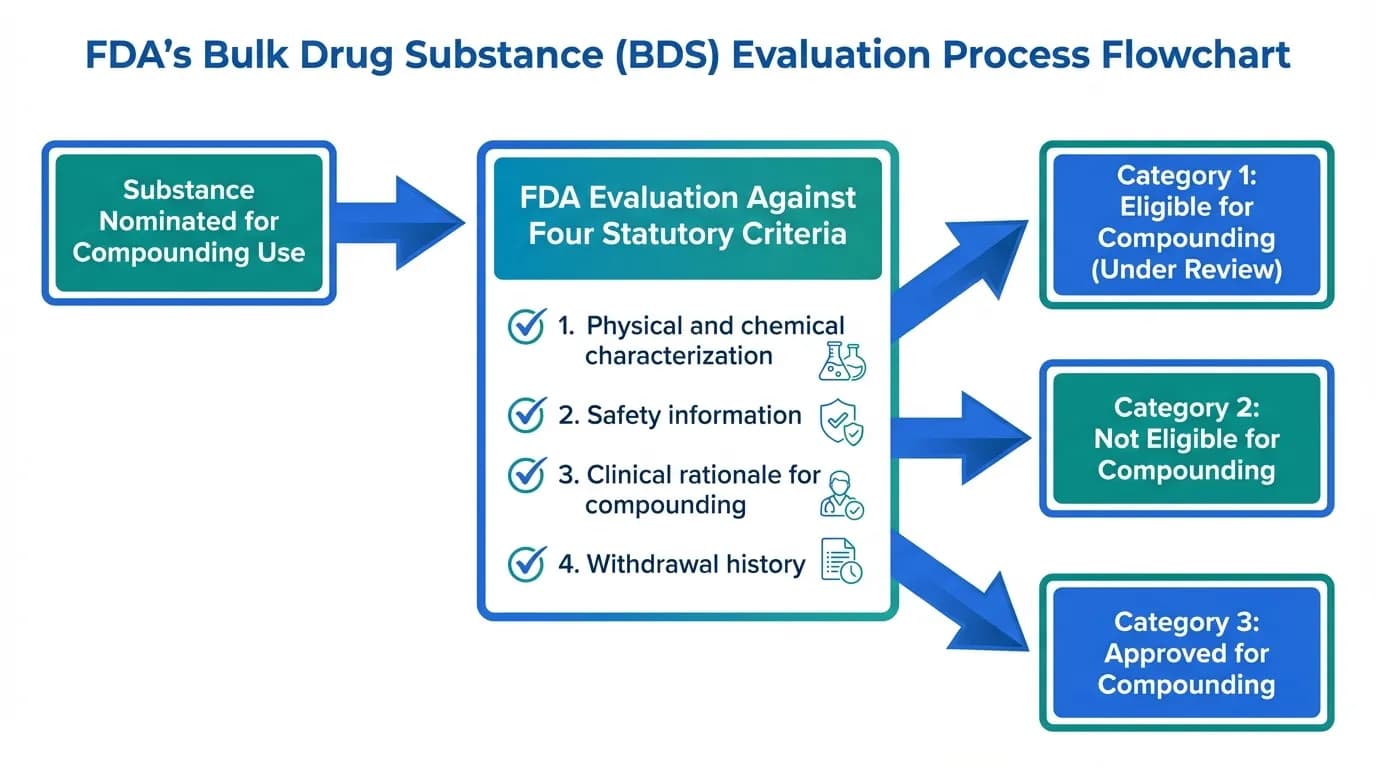
Understand the FDA peptide classification system. Learn the difference between Category 1, Category 2, and Category 3 peptides and what the 2024-2026 regulatory changes mean for researchers.
Most Popular Therapeutic Peptides in 2026: 15 Ranked by Research Interest
The 15 most popular therapeutic peptides in 2026, ranked by clinical trial activity, search interest, and research community adoption. From semaglutide to BPC-157.
Best Peptides to Stack with Retatrutide (2026 Research Guide)
A 2026 research-focused review of the peptides most often discussed alongside retatrutide for GI side effects, lean-mass preservation, hair and skin changes, sleep, and adjunct fat loss — what the literature does and does not support.
You Might Also Like
Related content you may find interesting