6 Peptides for Gut Health Research

Introduction#
The gastrointestinal tract is one of the most peptide-rich environments in the human body. Hundreds of endogenous peptides regulate gut motility, mucosal immunity, epithelial barrier function, and the complex relationship between the gut microbiome and the immune system. It is therefore not surprising that exogenous peptides have been studied for their potential to support gut health and address gastrointestinal pathology.
This guide examines six peptides with the most substantial research profiles in gut health. The evidence ranges from BPC-157's extensive animal data on mucosal healing to VIP's well-characterized role in gut physiology. For each compound, we cover the research evidence, proposed mechanisms, and important limitations.
Important note: No peptide in this guide is FDA-approved for any gastrointestinal indication. All gut health applications are investigational or preclinical.
1. BPC-157 (Body Protection Compound)#
Evidence Level: Extensive preclinical; very limited human data Primary Mechanism: Mucosal protection, angiogenesis, growth factor modulation FDA Status: Category 2 (banned from compounding)
BPC-157 is a 15-amino-acid peptide derived from human gastric juice proteins. Its name — Body Protection Compound — reflects its original discovery context as a gastric protective agent. Of all its studied applications, gut health represents BPC-157's most mechanistically logical use, given its endogenous origin in the gastrointestinal system.
Research Findings#
BPC-157 has been studied in numerous animal models of gastrointestinal damage and disease:
- Gastric ulcers — accelerated healing in ethanol-induced, NSAID-induced, and stress-induced ulcer models
- Inflammatory bowel disease — reduced colitis severity in multiple animal models
- Intestinal anastomosis — improved healing of surgical gut connections
- Esophageal damage — protective effects against acid reflux-induced esophageal injury
- Gut-brain axis — modulation of the gut-brain connection through NO system regulation
The proposed mechanism involves upregulation of growth factors (EGF, FGF, VEGF) at the gut mucosal surface, promotion of angiogenesis in damaged tissue, and modulation of the nitric oxide system. BPC-157 also appears to influence the FAK-paxillin pathway, which regulates cell adhesion and migration — processes critical for mucosal repair.
Important Considerations#
All gut-specific BPC-157 data is from animal models. No human clinical trials have been published for gastrointestinal indications. The oral bioavailability of BPC-157 is a critical unanswered question — while some animal studies demonstrate oral efficacy, the stability and absorption of the peptide through the human GI tract has not been characterized. For a full review, see Best Healing Peptides.
2. KPV#
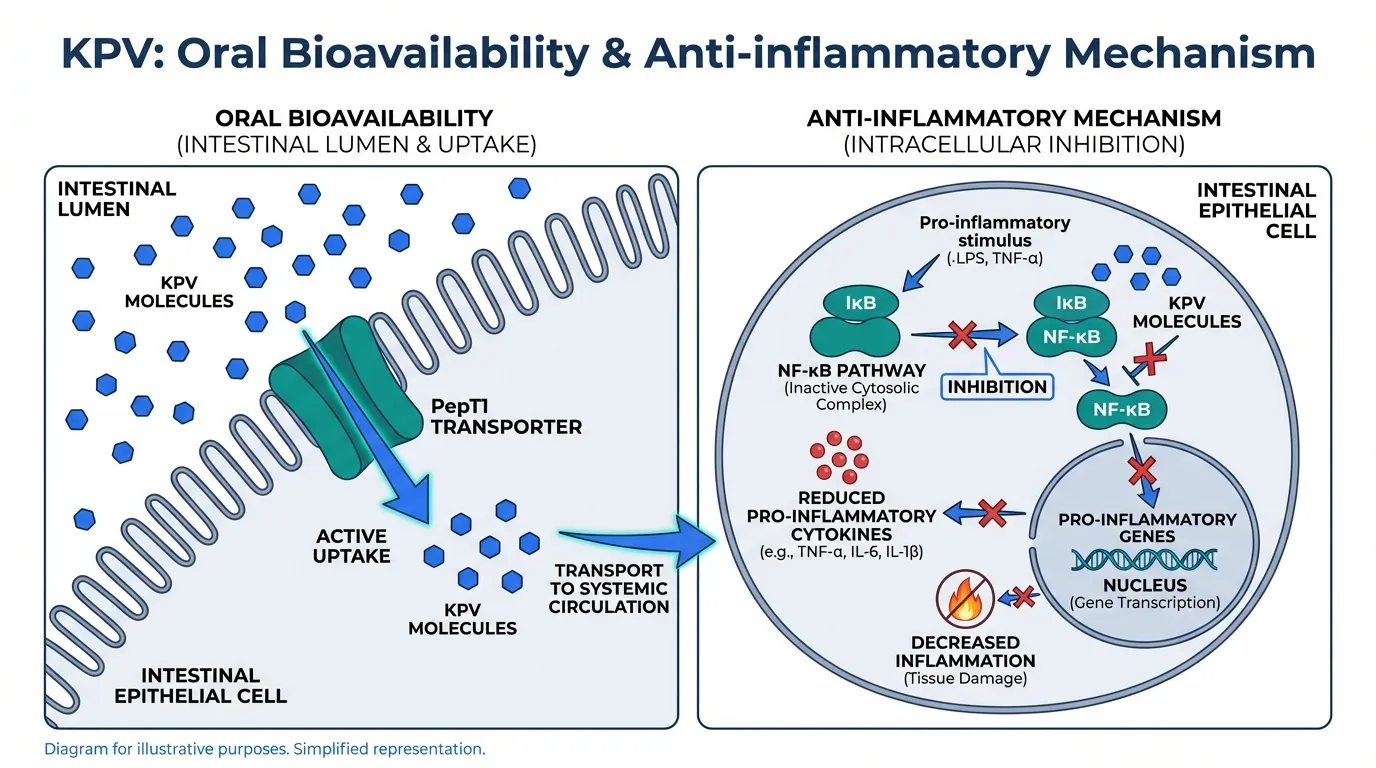
Evidence Level: Preclinical (animal studies and in vitro) Primary Mechanism: NF-kappaB inhibition; PepT1-mediated intestinal uptake FDA Status: Not approved; not evaluated by FDA
KPV is a tripeptide (Lys-Pro-Val) derived from the C-terminal end of alpha-melanocyte-stimulating hormone (alpha-MSH). It has the most specific gut immune data of any peptide in this guide, with research focused specifically on intestinal inflammation and mucosal immunity.
Research Findings#
KPV's gut research centers on several key findings:
- Oral bioavailability — KPV is absorbed through the PepT1 transporter in intestinal epithelial cells, an unusual property that enables oral delivery
- NF-kappaB inhibition — dose-dependent suppression of the master inflammatory transcription factor in intestinal cells
- IBD models — oral KPV reduced colitis severity in both DSS-induced and TNBS-induced murine colitis models
- Anti-inflammatory potency — KPV demonstrated stronger anti-inflammatory effects than the full alpha-MSH peptide from which it is derived
The PepT1-mediated uptake mechanism is particularly significant because it means KPV can be absorbed directly by the cells lining the intestine — exactly the cells most affected in inflammatory bowel conditions. This targeted uptake mechanism suggests that oral administration could deliver the peptide directly to its site of action.
Important Considerations#
All KPV gut data is preclinical. The murine colitis models used (DSS and TNBS) are standard research tools but do not perfectly replicate human IBD. No human clinical trials have been conducted for KPV in any indication. See also Top Immune-Boosting Peptides for KPV's broader immune profile.
3. LL-37#
Evidence Level: Extensive in vitro; limited gut-specific clinical data Primary Mechanism: Antimicrobial defense; microbiome modulation; barrier function FDA Status: Not approved
LL-37 is the only human cathelicidin antimicrobial peptide. It is expressed throughout the gastrointestinal tract, where it serves as a first-line defense against pathogenic bacteria while helping to shape the composition of the commensal microbiome.
Research Findings#
LL-37's gut-relevant properties include:
- Antimicrobial activity — direct killing of pathogenic bacteria, including antibiotic-resistant strains
- Biofilm disruption — ability to disrupt bacterial biofilms in the gut, which are implicated in certain chronic GI conditions
- Microbiome modulation — LL-37 selectively targets pathogenic bacteria while having less effect on beneficial commensals, potentially helping maintain microbiome balance
- Barrier function — promotion of epithelial tight junction integrity, which is relevant to intestinal permeability ("leaky gut")
- Wound healing — stimulation of intestinal epithelial cell migration and proliferation
Research has found altered LL-37 expression in patients with IBD — specifically, reduced LL-37 in the colon of Crohn's disease patients and increased LL-37 in ulcerative colitis. These findings suggest that LL-37 dysregulation may contribute to GI pathology.
Important Considerations#
LL-37 is a large peptide (37 amino acids) that is susceptible to proteolytic degradation in the GI tract. Oral delivery is challenging, and most potential clinical applications involve local delivery methods. The peptide can also have pro-inflammatory effects at high concentrations, complicating dose-response relationships.
4. VIP (Vasoactive Intestinal Peptide)#
Evidence Level: Well-characterized physiology; limited therapeutic trial data Primary Mechanism: Gut motility regulation; secretory function; immune modulation FDA Status: Not approved for GI indications
VIP is a 28-amino-acid neuropeptide that is one of the most important endogenous regulators of gastrointestinal function. It is produced by neurons throughout the enteric nervous system and plays central roles in gut motility, secretion, blood flow, and mucosal immunity.
Research Findings#
VIP's physiological roles in the gut are well-established:
- Motility — VIP acts as an inhibitory neurotransmitter in the gut, mediating smooth muscle relaxation and regulating peristalsis
- Secretion — stimulates water and electrolyte secretion in the intestine
- Blood flow — vasodilation of mesenteric blood vessels, ensuring adequate gut perfusion
- Immune regulation — anti-inflammatory effects through suppression of pro-inflammatory cytokines (TNF-alpha, IL-6, IL-12) and promotion of regulatory T-cell differentiation
- Barrier function — maintenance of intestinal epithelial tight junctions
VIP deficiency or signaling disruption has been implicated in several GI conditions including irritable bowel syndrome (IBS), gastroparesis, and inflammatory bowel disease. Research has explored VIP supplementation as a potential therapeutic approach, though clinical translation has been limited by VIP's very short half-life (approximately 1-2 minutes) and rapid enzymatic degradation.
Important Considerations#
VIP's extremely short half-life makes it impractical for systemic administration in its native form. Research into VIP analogs with improved stability and VIP receptor agonists is ongoing. The peptide's broad physiological effects (it is also active in the lungs, brain, and cardiovascular system) mean that targeted gut delivery is essential to avoid systemic side effects.
5. Glutathione#
Evidence Level: Biochemistry well-established; limited gut-specific clinical trial data Primary Mechanism: Antioxidant protection of gut epithelium; detoxification FDA Status: GRAS (as a supplement)
Glutathione is the body's primary intracellular antioxidant, and the gut epithelium is one of the tissues most dependent on glutathione for protection against oxidative stress. The GI tract is constantly exposed to dietary oxidants, reactive metabolites, and immune-generated reactive oxygen species, making glutathione's protective role particularly critical in this tissue.
Research Findings#
Glutathione's gut relevance includes:
- Epithelial protection — protects intestinal epithelial cells from oxidative damage caused by dietary toxins, medications (especially NSAIDs), and inflammatory processes
- Detoxification — Phase II conjugation reactions in the liver and gut wall that neutralize harmful compounds
- Microbiome interaction — emerging research suggests bidirectional interactions between gut bacteria and host glutathione status
- Barrier integrity — oxidative stress disrupts tight junctions; glutathione helps maintain barrier function by managing oxidative load
Glutathione depletion in the gut has been associated with increased intestinal permeability, enhanced susceptibility to NSAID-induced damage, and worsened outcomes in models of intestinal inflammation.
Important Considerations#
Oral glutathione is extensively degraded by digestive enzymes and gut bacteria before absorption. Liposomal glutathione formulations and glutathione precursors (N-acetylcysteine, glycine + NAC combinations) may offer better approaches to raising gut tissue glutathione levels. The direct clinical evidence for glutathione supplementation improving specific GI outcomes is limited.
6. Larazotide Acetate (AT-1001)#
Evidence Level: Phase 3 clinical trials for celiac disease Primary Mechanism: Tight junction regulation; zonulin pathway modulation FDA Status: Investigational (Phase 3)
While not featured in the discussedPeptides list, larazotide acetate deserves mention as the most clinically advanced gut-specific peptide. It is a synthetic octapeptide that modulates intestinal tight junctions by blocking the zonulin pathway — the signaling cascade responsible for opening tight junctions in response to gluten and other triggers.
Research Findings#
Larazotide has been studied specifically for celiac disease in patients who continue to experience symptoms despite a gluten-free diet. Phase 2 and Phase 3 clinical trials have demonstrated improvements in celiac symptoms and reductions in intestinal permeability markers. It works locally in the gut lumen without systemic absorption.
This compound represents the most advanced clinical development of a gut-targeted peptide therapeutic and may eventually become the first FDA-approved peptide for intestinal barrier function.
Comparison Summary#
| Peptide | Primary Gut Effect | Evidence Level | Oral Bioavailability | FDA Status |
|---|---|---|---|---|
| BPC-157 | Mucosal healing | Extensive preclinical | Uncertain | Category 2 |
| KPV | Anti-inflammatory | Preclinical | Yes (PepT1) | Not evaluated |
| LL-37 | Antimicrobial/barrier | Extensive preclinical | Poor | Not evaluated |
| VIP | Motility/secretion/immune | Well-characterized | Very poor (short half-life) | Not approved |
| Glutathione | Antioxidant protection | Biochemistry established | Poor (degradation) | GRAS |
| Larazotide | Tight junction regulation | Phase 3 trials | Local action (no absorption) | Investigational |
Conclusion#
Gut health peptides address diverse aspects of gastrointestinal function — from mucosal healing (BPC-157) and anti-inflammatory modulation (KPV) to antimicrobial defense (LL-37) and physiological regulation (VIP). The evidence quality varies substantially, with BPC-157 having the broadest preclinical record and larazotide acetate having the most advanced clinical development.
A common challenge across gut peptides is oral bioavailability. The GI tract's digestive environment rapidly degrades most peptides, and only KPV has demonstrated a specific transport mechanism for intestinal uptake. Future developments in peptide stabilization, targeted delivery, and gut-specific formulations will be essential for translating the preclinical promise of these compounds into clinical reality.
For researchers exploring gut health peptides, the Dosing Calculator and HED Calculator can assist with protocol planning and translating animal study doses to human-relevant ranges.
Related Peptide Profiles#
Learn more about the peptides discussed in this article:
- BPC-157 Overview and Research Guide
- BPC-157 Dosing Protocols
- BPC-157 Side Effects and Safety
- KPV Overview and Research Guide
- KPV Dosing Protocols
- KPV Side Effects and Safety
- LL-37 Overview and Research Guide
- LL-37 Dosing Protocols
- LL-37 Side Effects and Safety
- VIP Overview and Research Guide
- VIP Dosing Protocols
- VIP Side Effects and Safety
- Glutathione Overview and Research Guide
- Glutathione Dosing Protocols
- Glutathione Side Effects and Safety

Frequently Asked Questions About 6 Peptides for Gut Health Research
What does this article cover?
Peptides for gut health — BPC-157, KPV, LL-37, VIP, and Glutathione reviewed with mechanisms, evidence levels, and key research findings. This guide is for educational purposes only and does not constitute medical advice.
Which peptides are discussed in this article?
This article covers BPC-157, KPV, LL-37, VIP, Glutathione. Key context: BPC-157 (Gastric pentadecapeptide with extensive preclinical data on gut mucosal healing and protection); KPV (Anti-inflammatory tripeptide with oral bioavailability studied in murine IBD models); LL-37 (Human cathelicidin antimicrobial peptide with gut microbiome modulation properties). Each peptide is discussed based on available research evidence.
Who is this guide written for?
This guide is written for researchers and individuals seeking an evidence-based overview of the topic covered in "6 Peptides for Gut Health Research." It summarizes available research data without making treatment recommendations. Always consult a healthcare provider for medical decisions.
What are the key takeaways from this article?
The main findings covered in this article include: Gastric pentadecapeptide with extensive preclinical data on gut mucosal healing and protection. Anti-inflammatory tripeptide with oral bioavailability studied in murine IBD models. Human cathelicidin antimicrobial peptide with gut microbiome modulation properties. These takeaways are based on the research data available at the time of publication.
What is BPC-157 and why is it significant?
BPC-157 is a peptide discussed in this article because: Gastric pentadecapeptide with extensive preclinical data on gut mucosal healing and protection. For a complete profile of BPC-157, see the dedicated peptide page on this site.
Continue reading this research review
Free access to the complete analysis with citations and evidence ratings.
150+ peptide profiles · 30+ comparisons · 18 research tools
Medical Disclaimer
This website is for educational and informational purposes only. The information provided is not intended to diagnose, treat, cure, or prevent any disease. Always consult with a qualified healthcare professional before using any peptide or supplement.
Join 2,000+ researchers getting biweekly updates
Enjoyed this article?
The Research Briefing delivers deep-dives like this biweekly — plus new study breakdowns, safety updates, and tool announcements.
Free forever. No spam. Unsubscribe in one click.
Where to Find These Peptides
Continue Exploring
Peptide Profiles
Keep Reading

Can Peptides Help with Inflammation? A Research-Based Guide
Anti-inflammatory peptides — KPV, BPC-157, LL-37, thymosin alpha-1, VIP, and glutathione — with mechanisms and clinical evidence.

Immune-Modulating Peptides: Thymosin Alpha-1, KPV, LL-37, and Beyond
Comprehensive research review of immune-modulating peptides including thymosin alpha-1, KPV, LL-37, thymalin, VIP, and glutathione. Clinical evidence, mechanisms of immune regulation, and implications for autoimmune and inflammatory conditions.
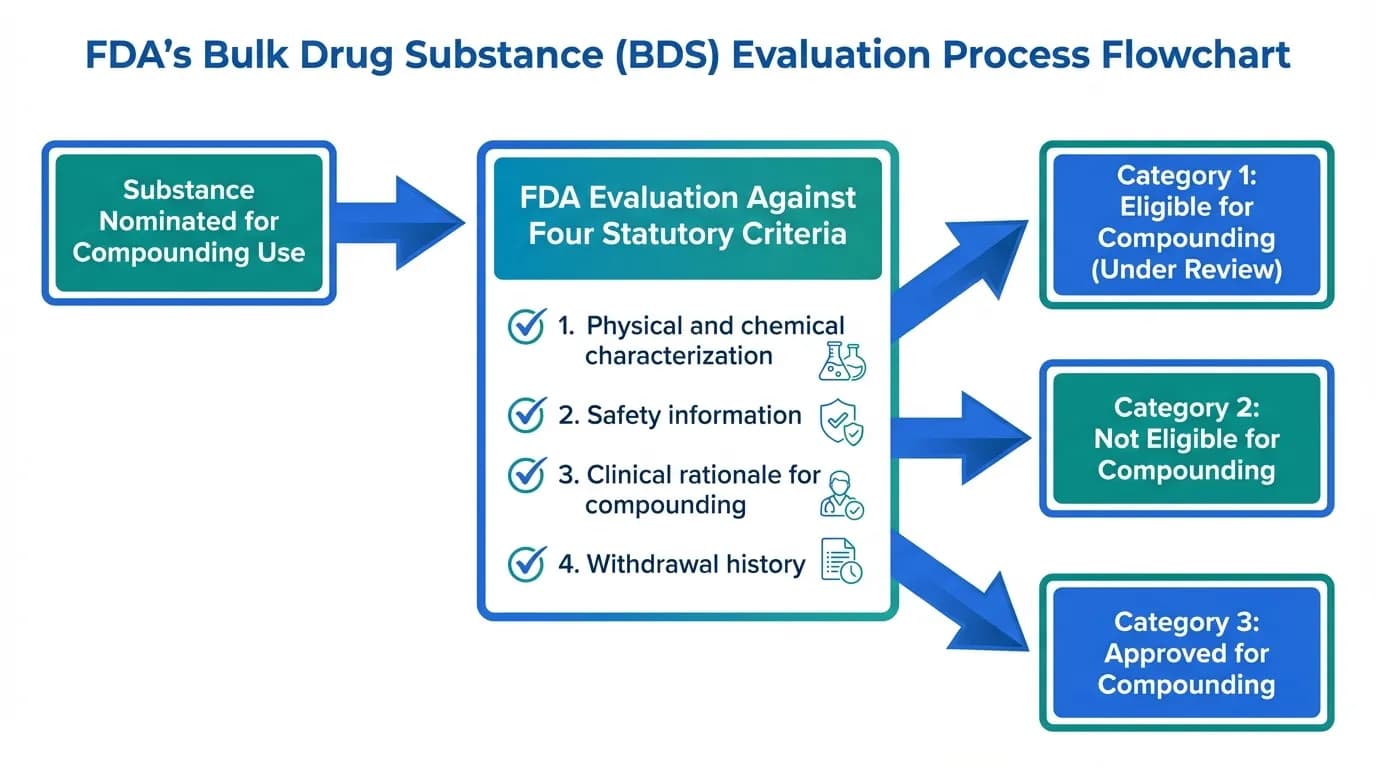
FDA Peptide Categories Explained: Category 1 vs Category 2 (2026)
Understand the FDA peptide classification system. Learn the difference between Category 1, Category 2, and Category 3 peptides and what the 2024-2026 regulatory changes mean for researchers.
You Might Also Like
Related content you may find interesting