GHK-Cu + KPV + BPC-157 Blend: Skin Repair and Anti-Inflammatory Research

Introduction#
The GHK-Cu + KPV + BPC-157 blend is a three-peptide formulation that combines skin-specific gene modulation (GHK-Cu), targeted anti-inflammatory activity (KPV), and broad tissue repair through angiogenesis (BPC-157). Unlike the Glow Blend and Klow Blend which include TB-500, this formulation omits the actin-mediated cell migration component to focus on three distinct pathways: gene regulation, inflammation resolution, and vascular support.
This guide examines each component's individual evidence in the context of skin repair and anti-inflammatory research, and evaluates the theoretical rationale for this specific three-peptide combination.
Regulatory Note: GHK-Cu and BPC-157 were placed in FDA Category 2 (banned from compounding) in 2024. KPV is not FDA-approved. None of the three components are approved for human therapeutic use.
Component 1: GHK-Cu -- Gene-Level Skin Programming#
The Gene Expression Foundation#
GHK-Cu (glycyl-L-histidyl-L-lysine:copper(II)) is arguably the most molecularly characterized peptide in this blend. A 2015 landmark study demonstrated that GHK modulates expression of over 4,000 human genes -- approximately 6% of the human genome -- with a pronounced bias toward regenerative and protective pathways 1.
Skin-relevant gene networks modulated by GHK-Cu:
- Collagen program: Upregulation of collagen types I, III, and V, providing the primary structural scaffold of skin
- Elastin synthesis: Increased elastin gene expression supporting skin elasticity and resilience
- Hyaluronic acid production: Enhanced glycosaminoglycan (GAG) synthesis maintaining skin hydration and volume
- Decorin regulation: Increased decorin expression controlling collagen fibril assembly and preventing disordered scarring
- Antioxidant defense: Upregulation of superoxide dismutase (SOD) and other protective genes 2
- Anti-fibrotic signaling: Suppression of TGF-beta pathways that drive excessive scar formation
Copper as Both Carrier and Catalyst#
The copper(II) ion in GHK-Cu serves dual functions. First, it enables the peptide to deliver copper to tissues where it is needed as a cofactor for key enzymes:
- Lysyl oxidase: Essential for collagen and elastin cross-linking
- Superoxide dismutase: Primary antioxidant defense enzyme
- Cytochrome c oxidase: Mitochondrial energy production
Second, copper itself has antimicrobial properties relevant to wound environments, potentially reducing infection risk during the healing process.
Age-Related Decline#
Plasma GHK-Cu levels decline from approximately 200 ng/mL at age 20 to approximately 80 ng/mL by age 60. This decline correlates with reduced wound healing capacity, decreased collagen synthesis, and the visible signs of skin aging 1.
Component 2: KPV -- Targeted Inflammation Control#
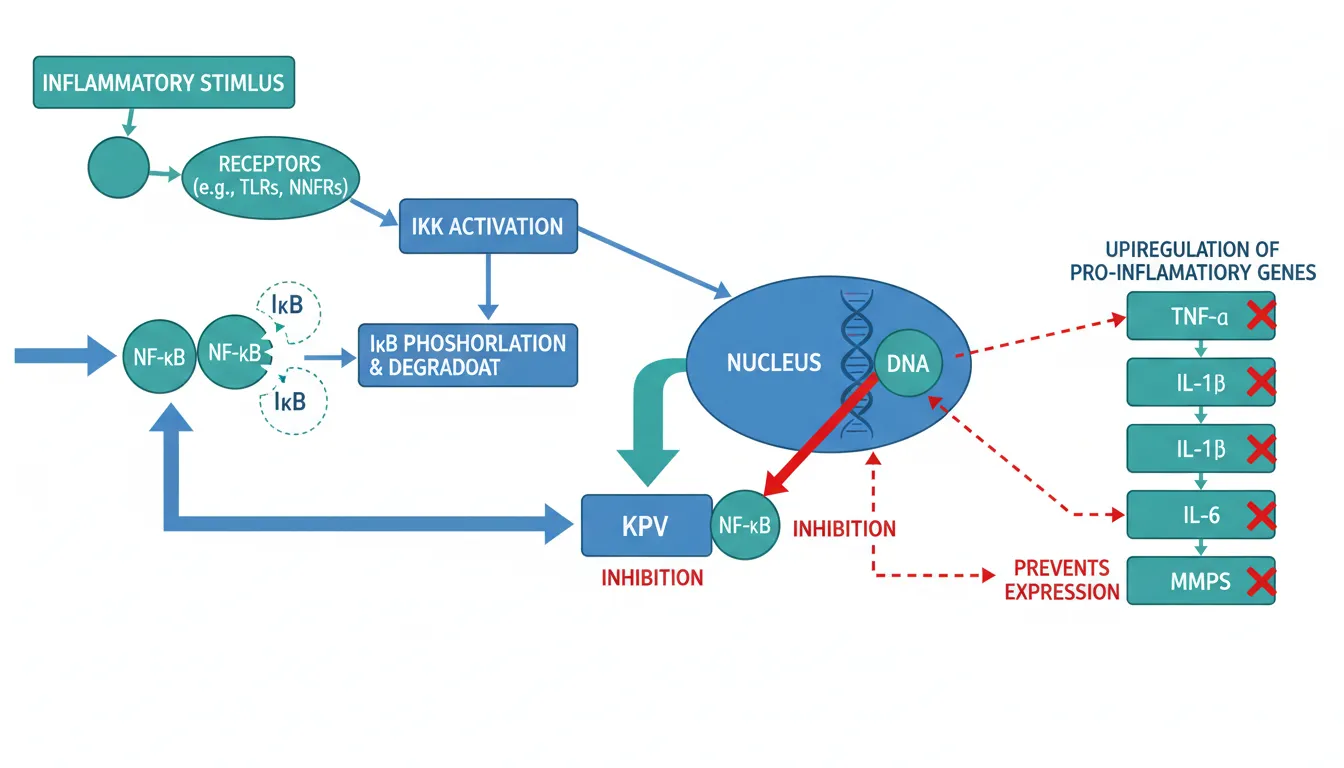
NF-kappaB as the Inflammatory Master Switch#
KPV's primary value in this blend is its direct inhibition of NF-kappaB, the transcription factor that serves as a master regulator of inflammatory gene expression 3. In skin specifically, NF-kappaB drives:
- Production of TNF-alpha, IL-1beta, IL-6, and other pro-inflammatory cytokines
- Expression of matrix metalloproteinases (MMPs) that degrade collagen and elastin
- Recruitment of inflammatory cells to the skin
- Promotion of inflammaging -- the chronic low-grade inflammation associated with skin aging
By inhibiting NF-kappaB, KPV may simultaneously reduce inflammatory damage and decrease the enzymatic degradation of the very collagen and elastin that GHK-Cu promotes.
The MMP Connection#
This interaction between KPV's anti-inflammatory effects and GHK-Cu's collagen-promoting effects represents the strongest theoretical rationale for combining these two peptides. Chronic NF-kappaB activation upregulates MMP-1 (collagenase), MMP-3 (stromelysin), and MMP-9 (gelatinase), which actively break down extracellular matrix proteins. If KPV suppresses MMP production by inhibiting NF-kappaB, it could theoretically preserve the collagen and elastin that GHK-Cu is promoting -- a complementary effect where one peptide builds and the other prevents destruction.
Skin-Adjacent Evidence#
KPV's published evidence is primarily in gut inflammation models 34, not skin-specific models. However, the NF-kappaB pathway is equally active in skin inflammation, and KPV's mechanism (direct NF-kappaB inhibition via PepT1-mediated uptake) is not tissue-specific in its downstream effects. Extrapolation from gut to skin is reasonable for the molecular mechanism but remains unvalidated in skin-specific models.
Component 3: BPC-157 -- Vascular and Growth Factor Support#
The Angiogenesis Contribution#
BPC-157's role in this blend centers on its well-documented ability to promote new blood vessel formation and upregulate growth factors relevant to skin repair:
- VEGFR2 pathway activation: BPC-157 upregulates VEGFR2 at mRNA and protein levels, promoting angiogenesis through PI3K-Akt-eNOS signaling 5
- Nitric oxide modulation: Activation of both VEGF-dependent and VEGF-independent NO pathways supports vasodilation and vascular stability 6
- Growth factor upregulation: Enhanced expression of VEGF, EGF, and FGF -- all critical for keratinocyte and fibroblast activity in skin 7
Why Vascular Support Matters for Skin#
Skin repair is fundamentally dependent on adequate blood supply. Angiogenesis delivers oxygen, nutrients, and immune cells to healing tissue and removes metabolic waste. In compromised skin (chronic wounds, aged skin, scarred tissue), inadequate vascularization is often a rate-limiting step. BPC-157's angiogenic properties address this bottleneck.
Skin-Specific BPC-157 Data#
While BPC-157 is primarily studied in musculoskeletal models, relevant skin data includes animal studies on burn wound healing, skin flap survival with compromised blood supply, and granulation tissue formation. A 2025 systematic review confirmed tissue repair effects across 36 preclinical studies 7.
The Three-Peptide Model: Build, Protect, Supply#
Mechanistic Framework#
| Function | Peptide | Mechanism | Target Layer |
|---|---|---|---|
| Build matrix | GHK-Cu | Collagen/elastin gene upregulation | Dermal ECM |
| Protect matrix | KPV | NF-kappaB inhibition reduces MMP expression | Inflammatory signaling |
| Supply blood | BPC-157 | VEGFR2/NO angiogenesis | Microvasculature |
| Deliver copper | GHK-Cu | Lysyl oxidase and SOD cofactor | Enzymatic processes |
| Reduce oxidative stress | GHK-Cu + KPV | SOD upregulation + cytokine suppression | Cellular defense |
| Promote cell growth | BPC-157 | EGF, FGF, VEGF upregulation | Keratinocytes, fibroblasts |
The "Build, Protect, Supply" model describes three complementary functions:
- Build: GHK-Cu drives gene expression toward collagen synthesis, elastin production, and organized ECM remodeling
- Protect: KPV inhibits NF-kappaB, reducing the inflammatory signals that trigger MMP-mediated matrix degradation and oxidative damage
- Supply: BPC-157 ensures adequate vascular supply to support the metabolic demands of active tissue regeneration
Comparison with Other Blend Formulations#
| Blend | Components | Unique Feature | Missing Element |
|---|---|---|---|
| This blend | GHK-Cu + KPV + BPC-157 | Focused anti-inflammatory (KPV) | No cell migration (TB-500) |
| Glow Blend | GHK-Cu + BPC-157 + TB-500 | Cell migration (TB-500) | No direct anti-inflammatory |
| Klow Blend | GHK-Cu + BPC-157 + TB-500 + KPV | Most complete | Most complex (4 peptides) |
| Wolverine Stack | BPC-157 + TB-500 | Simplest healing combo | No gene modulation, no anti-inflammatory |
This blend prioritizes inflammation control over cell migration. The trade-off is that it lacks TB-500's actin-mediated cell migration, which may be less critical in contexts where cell recruitment to the injury site is not a bottleneck.
Evidence Assessment#
Individual Peptide Evidence for Skin#
| Peptide | Skin-Specific Data | Human Evidence | Key Limitation |
|---|---|---|---|
| GHK-Cu | 4,000+ gene targets mapped; collagen synthesis data | Topical cosmetic use; limited clinical | In vitro to clinical outcome gap |
| KPV | NF-kappaB inhibition (mechanism applies to skin) | None | All data from gut inflammation models |
| BPC-157 | Animal wound/burn healing studies | Very limited (n < 15 total) | Primarily musculoskeletal, not skin-focused |
Combination Evidence#
No published study has tested:
- GHK-Cu + KPV in any model
- GHK-Cu + BPC-157 in any model
- KPV + BPC-157 in any model
- The three-peptide combination in any model
The entire combination rationale is built on individual peptide mechanisms and the theoretical complementarity of their pathways.
Safety Considerations#
Individual Profiles#
GHK-Cu: Extensive topical safety history. Injectable safety data limited. Naturally occurring peptide. Banned from compounding (FDA Category 2, 2024).
KPV: No human safety data. Derived from endogenous alpha-MSH. Selective anti-inflammatory properties are demonstrated only in preclinical models.
BPC-157: Limited human data shows tolerability at IV doses of 10-20 mg 8. Banned from compounding (FDA Category 2, 2024).
Combination Concerns#
- Three potential pairwise interactions, none of which have been studied
- Copper from GHK-Cu may affect stability of KPV and BPC-157 in solution
- Combined pro-repair and anti-inflammatory effects raise questions about effects on abnormal tissue
- No dose-optimization data for the combination
Key Takeaways for Researchers#
-
The "Build, Protect, Supply" framework is mechanistically logical. GHK-Cu promotes matrix synthesis, KPV inhibits matrix-degrading inflammation, and BPC-157 ensures vascular support. These are three distinct and non-redundant contributions.
-
The KPV-GHK-Cu interaction is the most interesting pairing. KPV's NF-kappaB inhibition could reduce MMP expression that degrades the collagen GHK-Cu promotes, creating a theoretical "build and protect" synergy.
-
KPV's skin data is extrapolated from gut models. While the NF-kappaB mechanism is not tissue-specific, direct skin-specific validation is lacking.
-
No combination data exists. All three pairwise interactions and the triple combination are untested in published research.
-
This blend trades cell migration for inflammation control compared to the Glow Blend. Whether this trade-off is advantageous depends on the research context.
-
Two of three components face regulatory barriers. GHK-Cu and BPC-157 are both FDA Category 2, limiting access for clinical investigation.
References#
Related Peptide Profiles#
Learn more about the peptides discussed in this article:
- GHK-Cu Overview and Research Guide
- GHK-Cu Dosing Protocols
- GHK-Cu Side Effects and Safety
- KPV Overview and Research Guide
- KPV Dosing Protocols
- KPV Side Effects and Safety
- BPC-157 Overview and Research Guide
- BPC-157 Dosing Protocols
- BPC-157 Side Effects and Safety
Footnotes#
-
GHK Peptide as a Natural Modulator of Multiple Cellular Pathways in Skin Regeneration. PMID: 26236730. 2015. ↩ ↩2
-
Regenerative and Protective Actions of the GHK-Cu Peptide in the Light of New Gene Data. PMID: 29986520. 2018. ↩
-
PepT1-mediated tripeptide KPV uptake reduces intestinal inflammation. PMID: 18061177. 2008. ↩ ↩2
-
Melanocortin-derived tripeptide KPV has anti-inflammatory potential in murine models of IBD. PMID: 18092346. 2008. ↩
-
Modulatory effects of BPC 157 on vasomotor tone and the activation of Src-Caveolin-1-endothelial nitric oxide synthase pathway. PMID: 33051481. 2020. ↩
-
BPC 157 Therapy: Targeting Angiogenesis and Nitric Oxide. Pharmaceuticals. PMC: 12567428. 2025. ↩
-
Emerging Use of BPC-157 in Orthopaedic Sports Medicine: A Systematic Review. PMID: 40756949. 2025. ↩ ↩2
-
Safety of Intravenous Infusion of BPC157 in Humans: A Pilot Study. PMID: 40131143. 2025. ↩

Frequently Asked Questions About GHK-Cu + KPV + BPC-157 Blend: Skin Repair and Anti-Inflammatory Research
What does this article cover?
An evidence-based review of the GHK-Cu, KPV, and BPC-157 three-peptide blend, examining each component's role in skin repair, anti-inflammatory signaling, and tissue regeneration, with honest evidence assessment. This guide is for educational purposes only and does not constitute medical advice.
Which peptides are discussed in this article?
This article covers GHK-Cu, KPV, BPC-157. Key context: GHK-Cu (Primary component for gene-level skin regeneration and collagen synthesis via copper delivery); KPV (Anti-inflammatory component targeting NF-kappaB and mucosal healing); BPC-157 (Angiogenesis and tissue repair component via VEGFR2 and NO pathways). Each peptide is discussed based on available research evidence.
Who is this guide written for?
This guide is written for researchers and individuals seeking an evidence-based overview of the topic covered in "GHK-Cu + KPV + BPC-157 Blend: Skin Repair and Anti-Inflammatory Research." It summarizes available research data without making treatment recommendations. Always consult a healthcare provider for medical decisions.
What are the key takeaways from this article?
The main findings covered in this article include: Primary component for gene-level skin regeneration and collagen synthesis via copper delivery. Anti-inflammatory component targeting NF-kappaB and mucosal healing. Angiogenesis and tissue repair component via VEGFR2 and NO pathways. These takeaways are based on the research data available at the time of publication.
What is GHK-Cu and why is it significant?
GHK-Cu is a peptide discussed in this article because: Primary component for gene-level skin regeneration and collagen synthesis via copper delivery. For a complete profile of GHK-Cu, see the dedicated peptide page on this site.
Continue reading this research review
Free access to the complete analysis with citations and evidence ratings.
150+ peptide profiles · 30+ comparisons · 18 research tools
Medical Disclaimer
This website is for educational and informational purposes only. The information provided is not intended to diagnose, treat, cure, or prevent any disease. Always consult with a qualified healthcare professional before using any peptide or supplement.
Join 2,000+ researchers getting biweekly updates
Enjoyed this article?
The Research Briefing delivers deep-dives like this biweekly — plus new study breakdowns, safety updates, and tool announcements.
Free forever. No spam. Unsubscribe in one click.
Where to Find These Peptides
Continue Exploring
Peptide Profiles
Keep Reading
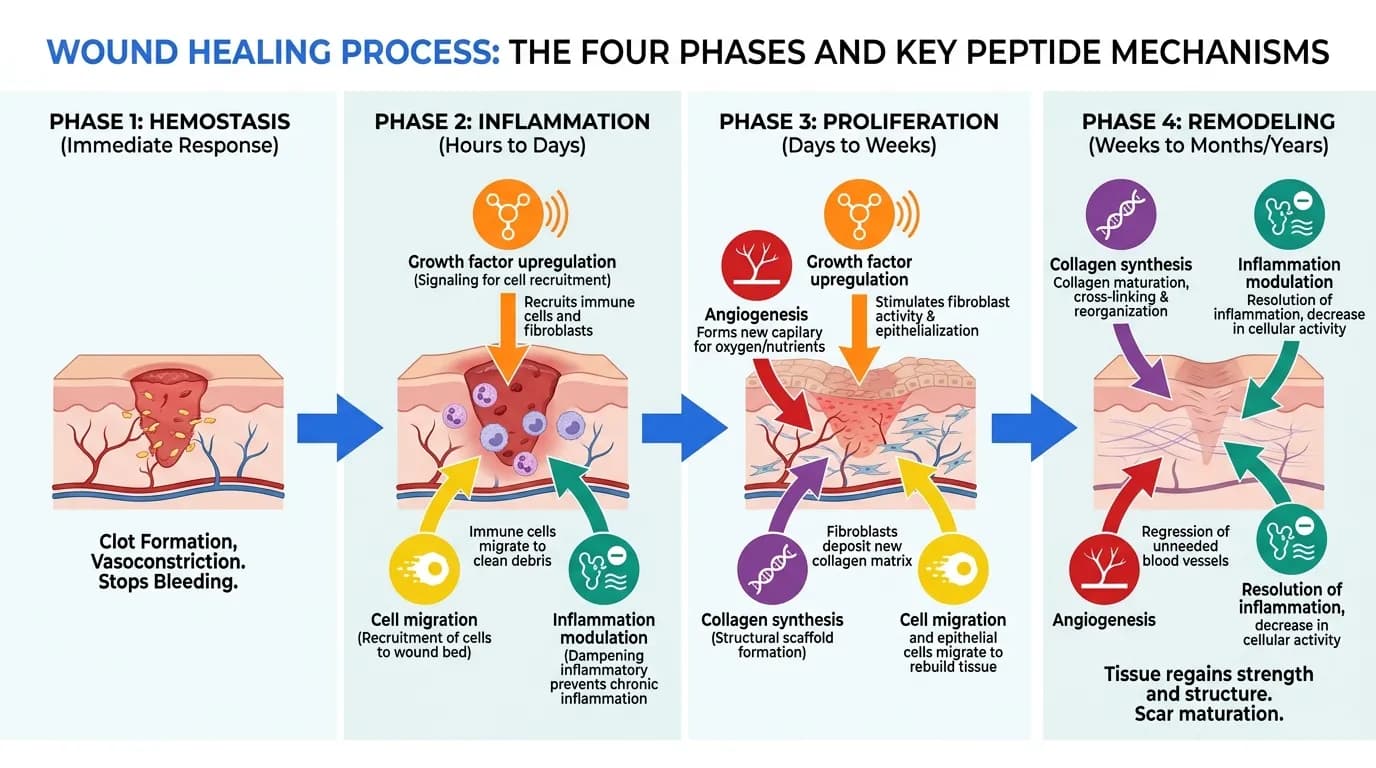
Peptides for Wound Healing & Tissue Repair: What the Research Shows (2026)
Which peptides support wound healing? An educational overview of BPC-157, TB-500, GHK-Cu, KPV, and Thymosin Alpha-1 — mechanisms, evidence status, best-use scenarios, and safety context for tissue repair research.
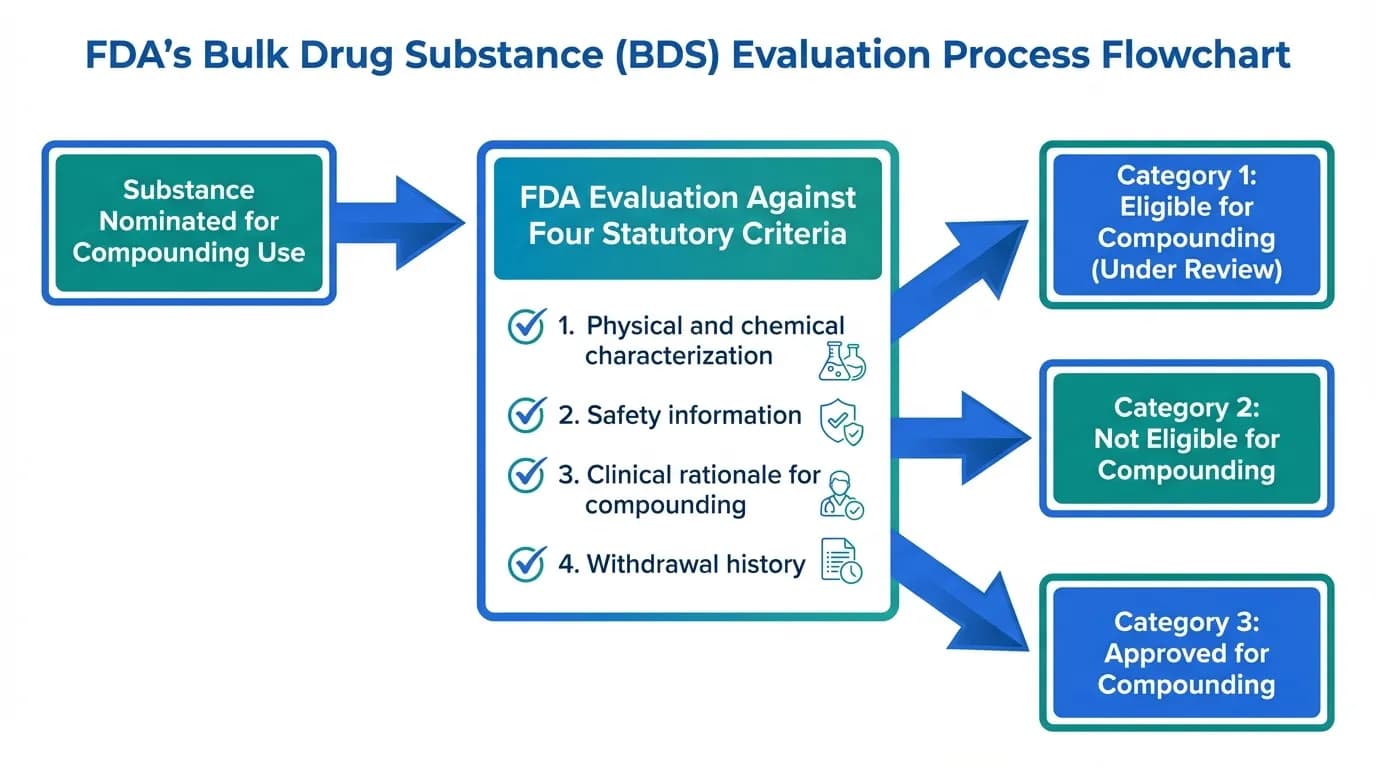
FDA Peptide Categories Explained: Category 1 vs Category 2 (2026)
Understand the FDA peptide classification system. Learn the difference between Category 1, Category 2, and Category 3 peptides and what the 2024-2026 regulatory changes mean for researchers.
Most Popular Therapeutic Peptides in 2026: 15 Ranked by Research Interest
The 15 most popular therapeutic peptides in 2026, ranked by clinical trial activity, search interest, and research community adoption. From semaglutide to BPC-157.
You Might Also Like
Related content you may find interesting